Value Engineering in High-End Metal Projects Without Compromising Design
Value engineering in high-end metal projects does not mean cutting quality. Instead, it means optimizing thickness, construction methods, and fabrication strategies while preserving the architectural intent. When teams approach value engineering correctly, they improve efficiency without sacrificing aesthetics.
In luxury hospitality, retail, and residential environments, metal elements often define the space. Therefore, any optimization must protect visual integrity. However, thoughtful adjustments can significantly improve cost control, fabrication efficiency, and installation performance.
Ultimately, value engineering succeeds when it strengthens both design and execution.

What Value Engineering Actually Means in Architectural Metal
Many people associate value engineering with reducing scope. However, true value engineering focuses on maximizing performance relative to cost.
According to the Project Management Institute (PMI), value engineering improves project outcomes by balancing cost, function, and quality rather than simply lowering expense.
https://www.pmi.org/learning/library/value-engineering-principles-project-success-8330
In architectural metal fabrication, this approach translates into:
-
✔ Optimizing material thickness
-
✔ Simplifying internal structures
-
✔ Refining fabrication techniques
-
✔ Coordinating early with design teams
When teams apply these principles early, they protect the design while improving constructability.
Optimizing Thickness Without Changing the Appearance
Material thickness often drives cost. Designers frequently increase thickness to improve rigidity. While that instinct makes sense, full thickness across an entire element rarely proves necessary.
Instead, we optimize intelligently.
For example, we may:
-
✔ Add concealed reinforcement behind visible panels
-
✔ Introduce return flanges for stiffness
-
✔ Integrate hidden structural framing
-
✔ Use strategic stiffeners instead of solid mass
As a result, we maintain flatness and stability while reducing unnecessary material weight.
Moreover, lighter assemblies improve transportation logistics and simplify installation. Consequently, both shop efficiency and site performance benefit.
Rethinking Construction Methods
Construction strategy offers another major opportunity for optimization. A detail that appears seamless in drawings can often be achieved through multiple fabrication methods.
For instance:
-
✔ We may replace full welds with concealed mechanical fastening
-
✔ We may fabricate hollow assemblies instead of solid components
-
✔ We may consolidate multiple small pieces into modular systems
Each adjustment reduces labor hours while preserving appearance.
However, timing matters. If teams introduce changes late, they risk delays and rework. Therefore, early review during the shop drawing phase remains critical.

Designing for Installation from the Start
Many projects overlook installation strategy during early design. However, installation directly affects budget and schedule.
We consistently review:
-
✔ Panel sizes relative to elevator and stair access
-
✔ Weight limits for safe handling
-
✔ Opportunities for modular pre-assembly
-
✔ Tolerance coordination with millwork and drywall
By adjusting panel dimensions or connection strategies early, we reduce field labor dramatically. In turn, installers complete work faster and more safely.
Thus, intelligent detailing not only improves aesthetics but also accelerates construction.
Finish Selection and Budget Control
Finish selection influences cost more than many expect. Highly polished surfaces demand additional labor, careful handling, and strict quality control. Consequently, they increase fabrication time.
In contrast, brushed or satin finishes often deliver the same architectural character with greater production efficiency. Likewise, controlled patina processes can create premium visual depth without excessive rework.
Therefore, teams should evaluate finish selection not only for aesthetics but also for fabrication practicality.
Lessons from Real Projects
Over time, we have observed two consistent patterns.
1. Overbuilding
Some projects specify excessive thickness and fully welded assemblies where simpler systems would perform equally well. As a result, costs increase without meaningful visual improvement.
2. Late Optimization
Other projects attempt value engineering after fabrication begins. At that stage, flexibility decreases and changes create unnecessary disruption.
Instead, teams should integrate value engineering during early detailing. When designers and fabricators collaborate from the beginning, they prevent inefficiencies before they occur.
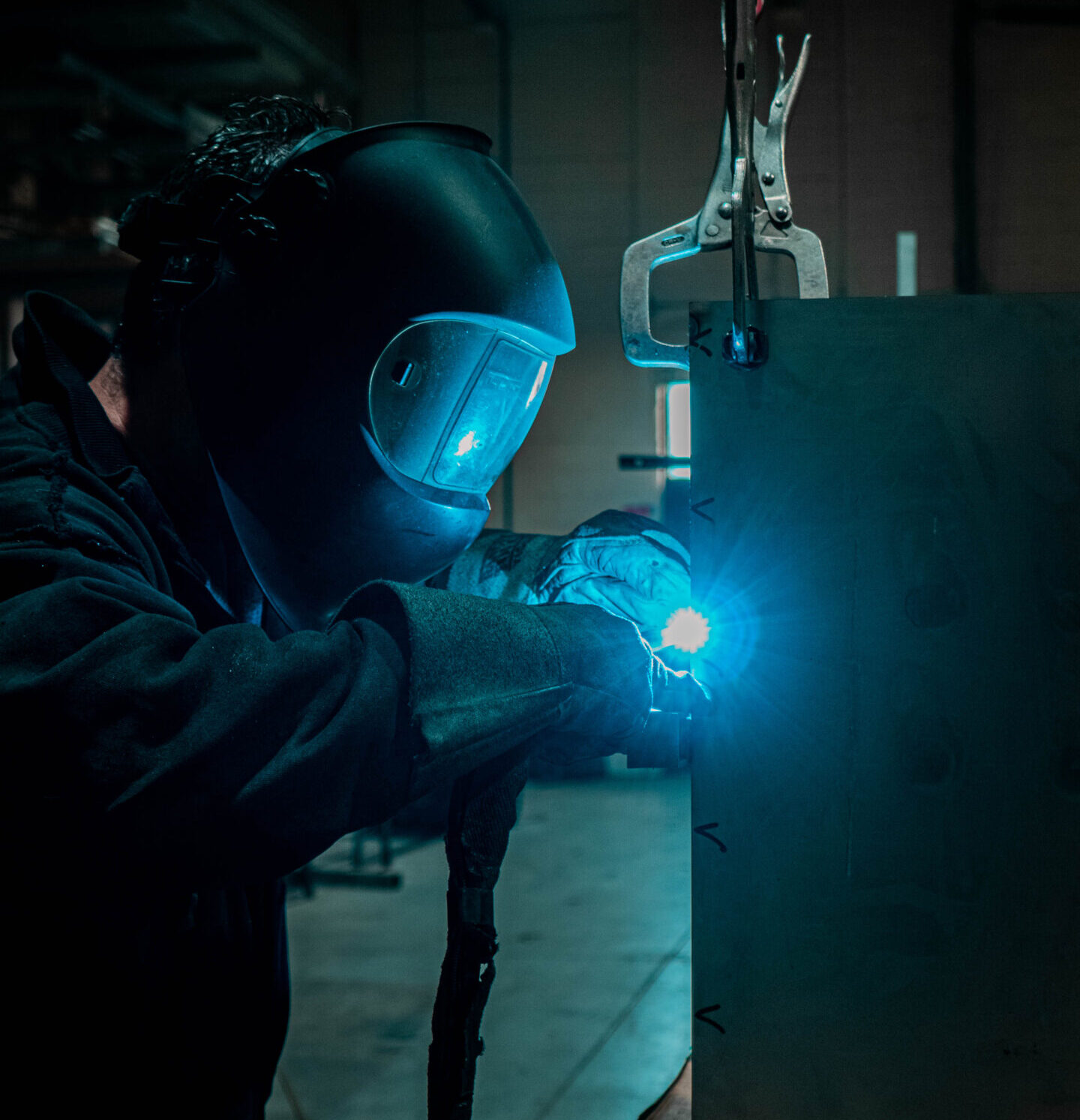
Collaboration Drives Successful Value Engineering
Value engineering works best when teams treat it as a collaborative process rather than a cost-cutting exercise.
Designers define the aesthetic direction. Fabricators contribute material knowledge and construction expertise. Contractors address site realities. When these perspectives align early, projects move forward with clarity.
Therefore, the strongest metal projects do not rely on isolated decisions. Instead, they depend on coordinated strategy.
Value engineering in architectural metal fabrication does not reduce quality. Instead, it refines how teams use material, structure, and fabrication techniques.
By optimizing thickness, simplifying internal construction, planning installation carefully, and selecting finishes strategically, teams preserve design intent while controlling cost.
Ultimately, high-end metal projects succeed when aesthetics and engineering work together. Intelligent refinement protects both the visual impact and the financial performance of the project.
See more
- The Rise of Bronze in Modern Interiors: Why This Classic Metal Is Back
- Why “Simple” Metal Details Are Often the Hardest to Fabricate
- From Vision to Reality: The Process of Creating High-End Architectural Metal Features
- Transforming Outdoor Spaces: Custom Metal Designs for Luxury Exteriors
- The Timeless Elegance of Metal Fireplaces in Interior Design
- Designing for Wellness: Why Custom Metal Is Gaining Popularity in High-End Home Gyms and Spas