Why Custom Metal Products Are Replacing Wood in High-End Interiors
For decades, wood dominated luxury interiors. It symbolized warmth, craftsmanship, and tradition. However, in recent years, a noticeable shift has taken place. Today, custom metal products are increasingly replacing wood as the preferred material for premium architectural features.
This change is not driven by trends alone. Instead, it reflects evolving requirements for performance, safety, longevity, hygiene, and modern design—areas where wood can no longer compete at the same level. As a result, architects, designers, and developers are turning to metal as a smarter long-term solution.
1. Fire Safety Is No Longer Optional — It’s Essential
First and foremost, one of the most decisive advantages of metal over wood is fire resistance.
While wood is inherently combustible, metal is non-combustible by nature. Even when wood is treated with fire retardants, it can still contribute to the spread of fire. In contrast, metal does not ignite, does not fuel flames, and maintains its structural integrity far longer under extreme heat.
Because of this, metal has become especially critical in:
+ Luxury condominiums
+ Hotels and hospitality spaces
+ Restaurants and bars
+ Commercial interiors
+ High-end residential projects focused on long-term value and insurance compliance
As fire safety regulations continue to tighten, metal is increasingly seen as the safer, future-proof material choice.
For a structural comparison between steel and wood performance, see this reference:
2. Durability That Wood Simply Can’t Match
Beyond safety, durability is another major factor driving the shift from wood to metal.
Wood, although beautiful, is highly sensitive to environmental conditions. Over time, it can suffer from:
+ Moisture and humidity exposure
+ Warping and shrinking
+ Cracking and splitting
+ Pest damage
+ Mold and decay
Metal, on the other hand, avoids all of these issues. When properly fabricated and finished, metal:
+ Does not warp, rot, or swell
+ Remains immune to pests
+ Withstands temperature and humidity fluctuations
+ Maintains tight tolerances and perfect alignment for decades
As a result, custom metal is now the preferred choice for architectural elements where long-term precision is critical, such as:
+ Railings and guards
+ Footrails and bar features
+ Wall cladding and trims
+ Custom frames and partitions
+ Decorative metal accents
In high-end interiors, where precision defines quality, metal remains stable long after wood begins to move.

3. Hygiene & Cleanliness for Modern Living
In today’s luxury market, appearance alone is no longer enough. Equally important, property owners now prioritize health, hygiene, and ease of maintenance.
Because wood is porous, it absorbs:
+ Moisture
+ Odors
+ Bacteria
+ Cleaning chemicals
+ Oils and spills
Metal, by comparison, is non-porous. Therefore, it is:
– Easy to sanitize
– Resistant to mold and mildew
– Ideal for high-traffic environments
– Well-suited for kitchens, spas, gyms, restaurants, and bathrooms
For this reason, designers are increasingly specifying:
+ Stainless steel and bronze kitchens
+ Metal shelving systems
+ Architectural metal bathrooms
+ Custom metal wellness and spa interiors
In a post-pandemic world, easy-to-clean, hygienic materials have become a defining luxury standard—and metal clearly leads this category.
4. Modern Aesthetics & Architectural Precision
At the same time, design language itself has evolved. Heavy ornamentation is being replaced with:
+ Clean lines
+ Minimalist detailing
+ Sharp geometry
+ Mixed-material compositions
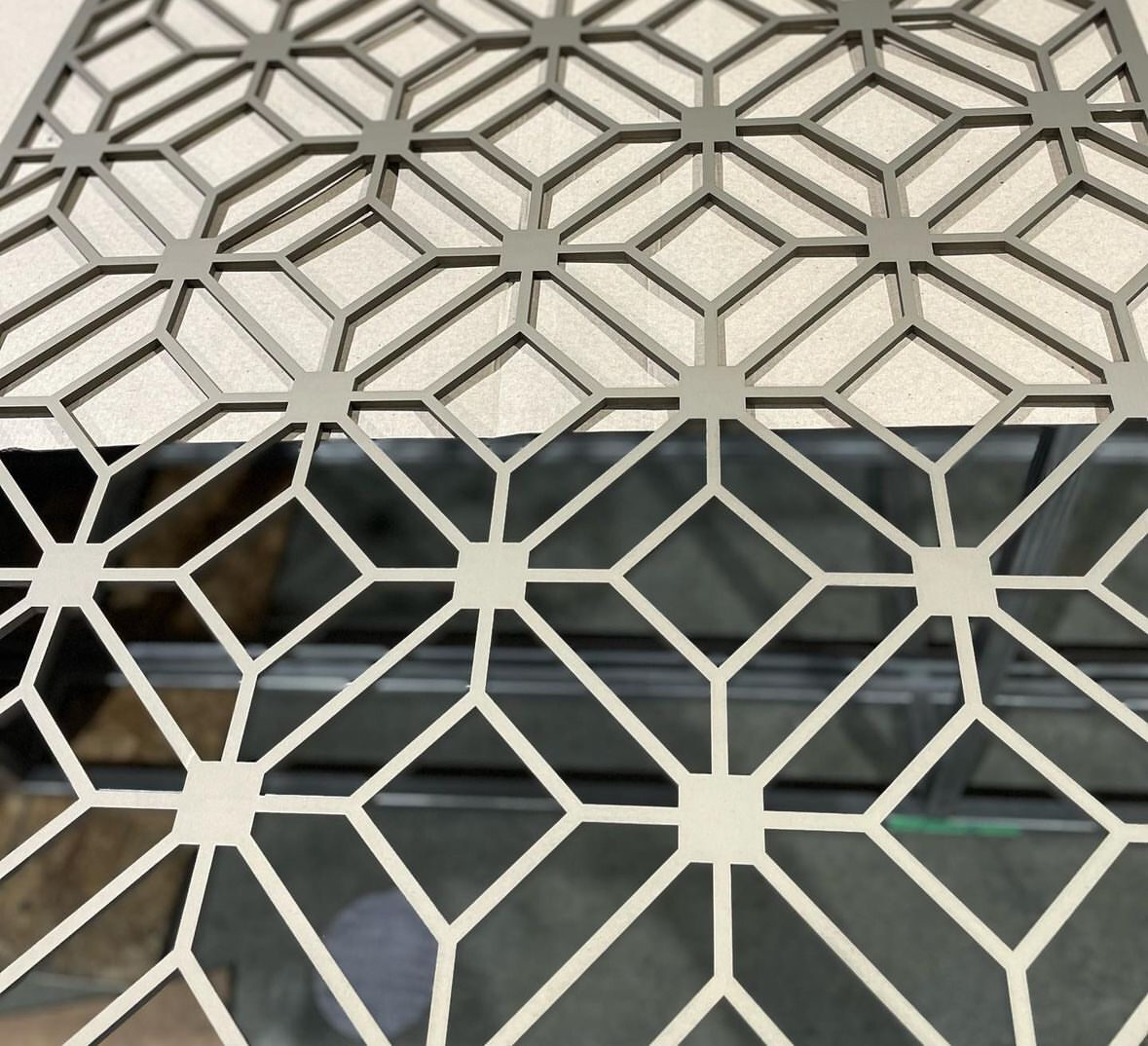
Because of its structural precision, custom metal enables:
– Ultra-slim profiles
– Perfect symmetry
– Seamless joints
– Sharp edges and precise transitions
– Mixed finishes (metal + glass + stone + wood accents)
Wood, by comparison, struggles to achieve this same level of refinement at tight tolerances. Meanwhile, metal thrives where precision is non-negotiable.
Furthermore, metal finishes offer unparalleled visual versatility, including:
+ Brushed
+ Mirror polished
+ Patinated
+ Satin
+ Powder-coated
+ Specialty textures
Over time, these finishes age with character rather than degradation—giving high-end spaces a timeless, architectural quality.
5. Long-Term Value & Investment Perspective
Although wood may appear less expensive at first glance, its true cost often becomes visible over time through:
+ Refinishing
+ Repairs
+ Replacement
+ Moisture damage
+ Pest treatment
+ Fire risk
Metal, on the other hand, significantly reduces:
– Maintenance expenses
– Insurance exposure
– Replacement cycles
– Structural failure risks
Consequently, from an investment standpoint, metal offers stronger lifecycle ROI, lower ownership risk, and far greater long-term reliability.
Ultimately, custom metal is no longer a niche material reserved for industrial use. Instead, it has become a defining feature of modern luxury interiors.
It reliably delivers:
+ Superior fire safety
+ Exceptional durability
+ High-level hygiene
+ Bold modern aesthetics
+ And stronger long-term investment value
Wood will always have a place as a natural accent material. However, when it comes to core architectural elements in high-end spaces, metal has clearly become the new standard.
See more
- Fireplace Surrounds Reinvented: How Custom Metal Cladding Turns a Functional Element Into a Focal Point
- The Art of Precision: What Sets High-End Metal Fabrication Apart
- What Architects Should Know Before Designing With Bronze, Brass, or Stainless Steel
- Common Budget Mistakes When Designing Custom Metal Features
- Custom Metalwork Mistakes to Avoid When Specifying a Project
- Choosing the Perfect Finish for Your Custom Metal Project: A Guide for Designers and Millwork Experts