Why Simple Metal Designs Are Often the Most Expensive to Fabricate
Simple metal designs are often perceived as the most efficient and cost-effective solution — however, in high-end architectural metalwork, they are frequently the most expensive to fabricate. While minimalist concepts emphasize clean lines and visual clarity, they also demand a level of precision, coordination, and craftsmanship that significantly increases complexity behind the scenes.
In reality, the simpler the design appears, the less room there is for error. As a result, fabrication becomes more demanding, not less.
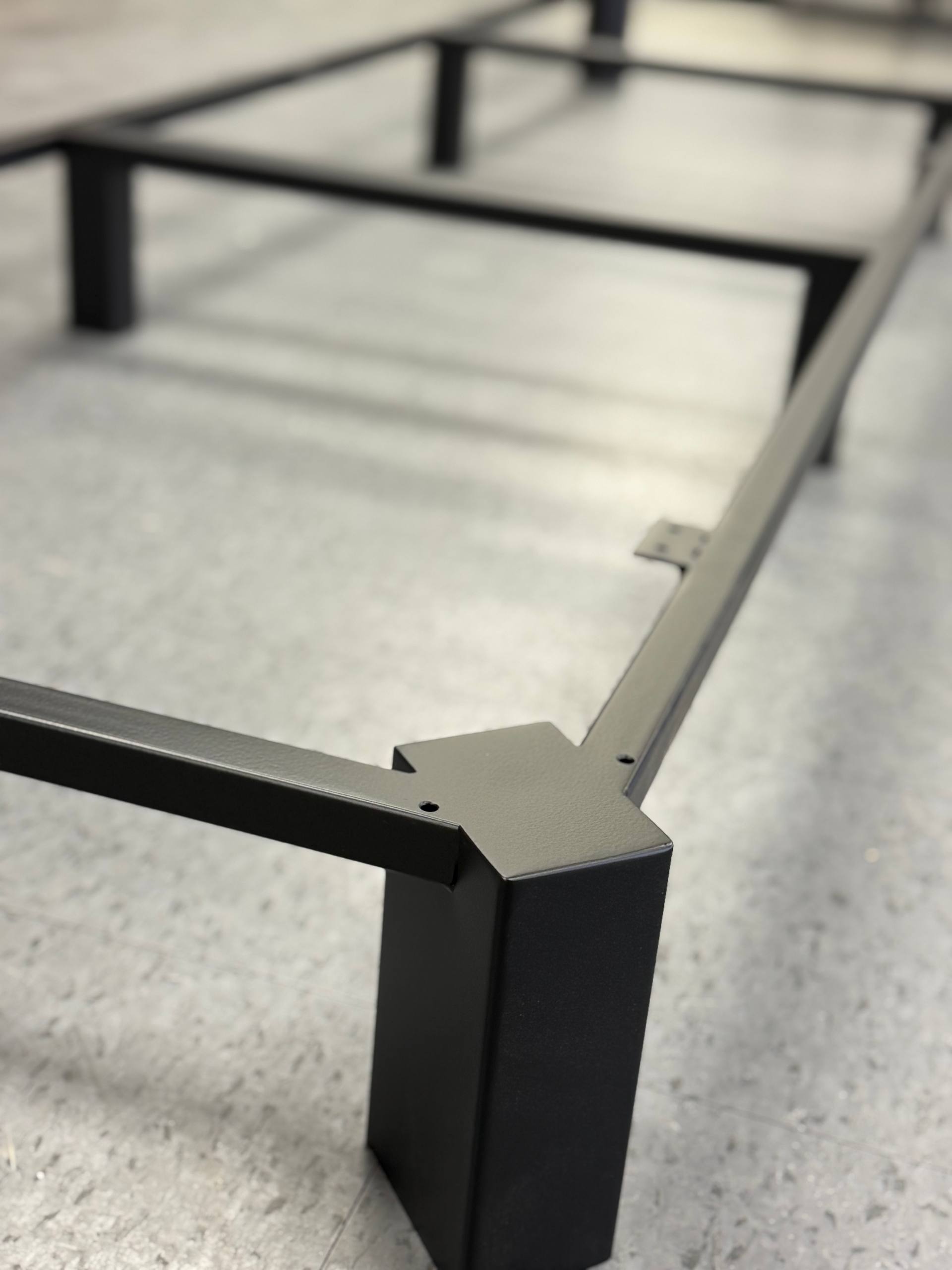
Minimalist Design = Hidden Complexity
At first glance, a minimal metal feature may look straightforward — flat surfaces, sharp edges, and uninterrupted lines. However, achieving this level of simplicity requires resolving multiple hidden challenges.
For example:
-
✔ Where are the welds placed if they cannot be visible?
-
✔ How are panels connected without fasteners showing?
-
✔ How are tolerances controlled across multiple trades?
Therefore, what appears “simple” on paper often requires more engineering, more coordination, and more labor than complex-looking designs.
Invisible Welds and Seamless Connections
One of the biggest cost drivers in simple metal designs is the requirement for invisible welds and seamless joints.
In practice, this means:
-
✔ Welding from the back side or in limited-access areas
-
✔ Grinding and polishing welds to a perfect, continuous surface
-
✔ Matching the finish across welded areas
As a result, a single visible imperfection can compromise the entire piece. Consequently, fabricators must invest significant time in achieving flawless transitions.
Tight Tolerances Leave No Margin for Error
Unlike more complex designs that can visually “absorb” small inconsistencies, simple metal designs expose every imperfection.
For instance:
-
✔ A 1–2 mm misalignment becomes immediately visible
-
✔ Gaps between panels cannot be hidden
-
✔ dges must align perfectly with surrounding materials
According to the American Institute of Architects, precision and early coordination between design and construction teams are critical in delivering high-quality architectural results — especially when minimalism is involved.
Therefore, tighter tolerances directly increase fabrication time, coordination effort, and cost.
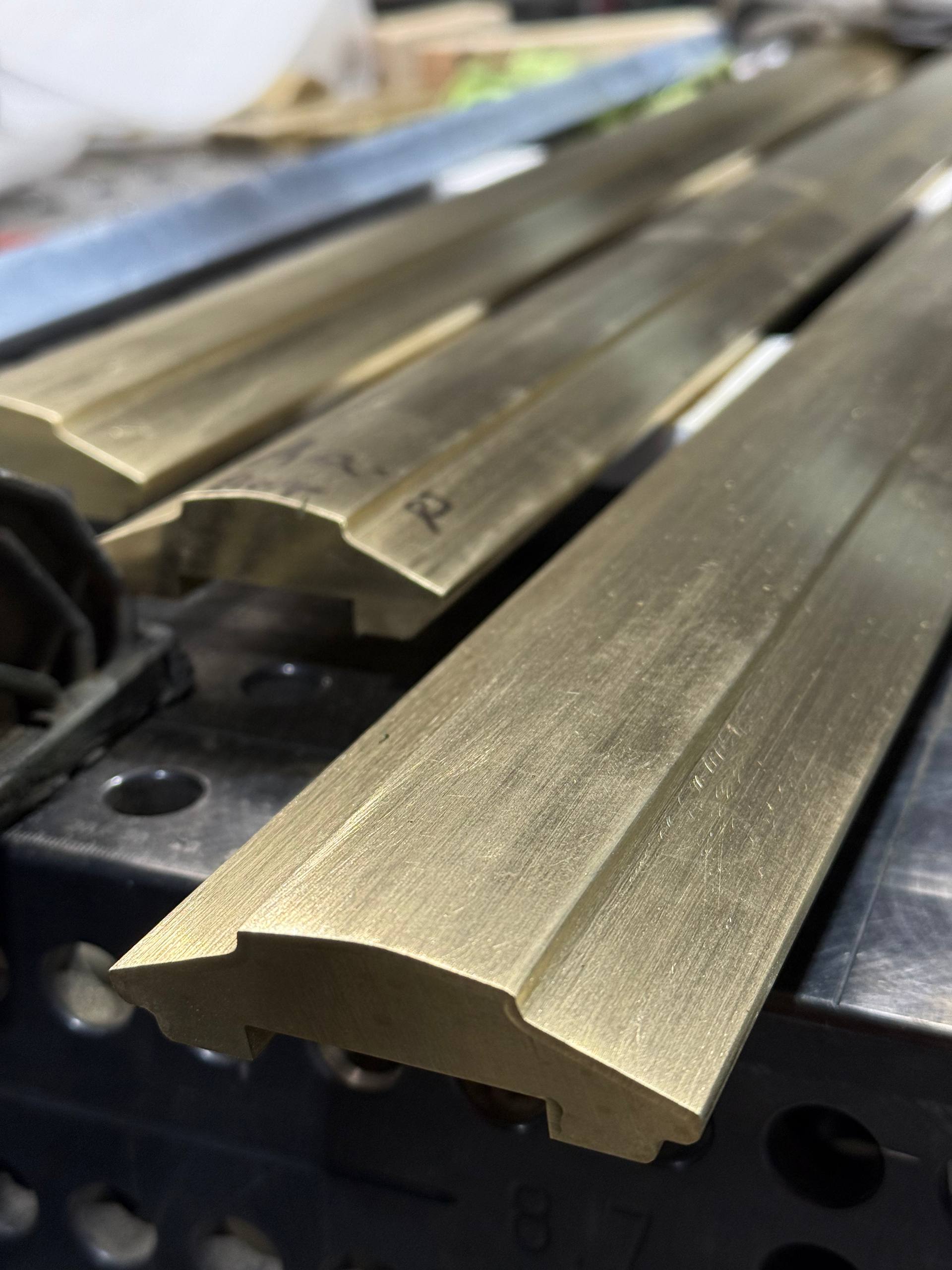
Finishes Must Be Perfect — Not Just Good
Simple designs place extreme emphasis on surface quality. Without visual distractions, the finish becomes the focal point.
This is particularly critical for:
-
✔ Mirror-finished stainless steel
-
✔ Brushed or satin finishes
-
✔ Antique bronze or patinated brass
In these cases:
-
✔ Any distortion from welding must be corrected
-
✔ Surface consistency must be maintained across all parts
-
✔ Finishing often requires multiple stages of refinement
As a result, finishing can become one of the most labor-intensive parts of the project.
Fabrication Challenges Behind “Simple” Forms
1. Flat Panels Are Not Truly Flat
Large, flat metal panels tend to:
-
✔ Warp during fabrication
-
✔ React to temperature changes
-
✔ Show even the smallest imperfections
Therefore, additional reinforcement or special fabrication methods are often required.
2. Edge Conditions Require Precision
Clean edges are a defining feature of minimalist design. However, achieving sharp, consistent edges requires:
-
✔ Accurate cutting (laser or waterjet)
-
✔ Careful handling to avoid damage
-
✔ Precise alignment during installation
Even minor inconsistencies can break the visual effect.
3. Installation Must Be Perfect
Finally, even perfectly fabricated pieces can fail if installation is not equally precise.
For example:
-
✔ Uneven substrates can distort alignment
-
✔ Other trades may introduce tolerance conflicts
-
✔ Limited adjustability leaves no room for correction
As a result, installation planning becomes as critical as fabrication itself.
Why Simple Designs Cost More Than Complex Ones
Although it may seem counterintuitive, complex designs often allow for more flexibility:
-
✔ Multiple elements can hide imperfections
-
✔ Decorative features can mask joints
-
✔ Variations are less noticeable
In contrast, simple metal designs require:
-
✔ Higher precision
-
✔ More skilled labor
-
✔ More time per detail
-
✔ Greater coordination across trades
Therefore, simplicity in appearance often translates into complexity in execution.
How to Approach Simple Metal Designs Correctly
1. Involve Fabricators Early
Early collaboration ensures that design intent aligns with real fabrication capabilities.
2. Define Details Clearly
Connections, tolerances, and finishes should be fully resolved before fabrication begins.
3. Allow Realistic Budgets and Timelines
Minimalist designs require additional time and craftsmanship — planning for this upfront avoids surprises.
4. Coordinate Across Trades
Millwork, stone, and glass must align precisely with metal components to achieve a seamless result.
Simple metal designs represent one of the highest levels of craftsmanship in architectural fabrication. While they appear effortless, they require precise engineering, skilled execution, and careful coordination at every stage.
Ultimately, the cost is not driven by the amount of material — but by the level of perfection required.
See more
- Innovative Metal Design Ideas for Outdoor Living Spaces
- How a Custom Metal Feature Becomes the Signature Element of a Space
- The Timeless Elegance of Metal Fireplaces in Interior Design
- Trending Metal Finishes for 2024: What’s In and How to Use Them
- Fireplace Surrounds Reinvented: How Custom Metal Cladding Turns a Functional Element Into a Focal Point
- Choosing the Perfect Finish for Your Custom Metal Project: A Guide for Designers and Millwork Experts