Bronze, Brass and Stainless Steel: Which Material Fits Your Project Best?
When planning a custom architectural metal project, choosing the right material is one of the most important decisions. However, bronze, brass, and stainless steel all create very different visual effects, maintenance requirements, and long-term performance outcomes. Therefore, understanding these differences can help architects, designers, and builders make smarter decisions for their projects.
At MNR Custom Metal, we regularly work with all three materials across luxury residential, hospitality, and commercial applications. Additionally, each material offers unique advantages depending on the design vision and functional needs of the space.

Visual Differences
The first and most noticeable difference between bronze, brass, and stainless steel is appearance. However, each material creates a completely different atmosphere and emotional impact within a project.
Bronze
Bronze offers a darker, richer, and more natural luxury feel. As a result, it is commonly associated with timeless architecture, boutique hospitality spaces, and sophisticated residential interiors. Furthermore, bronze works especially well in warm, textured environments where depth and character are important.
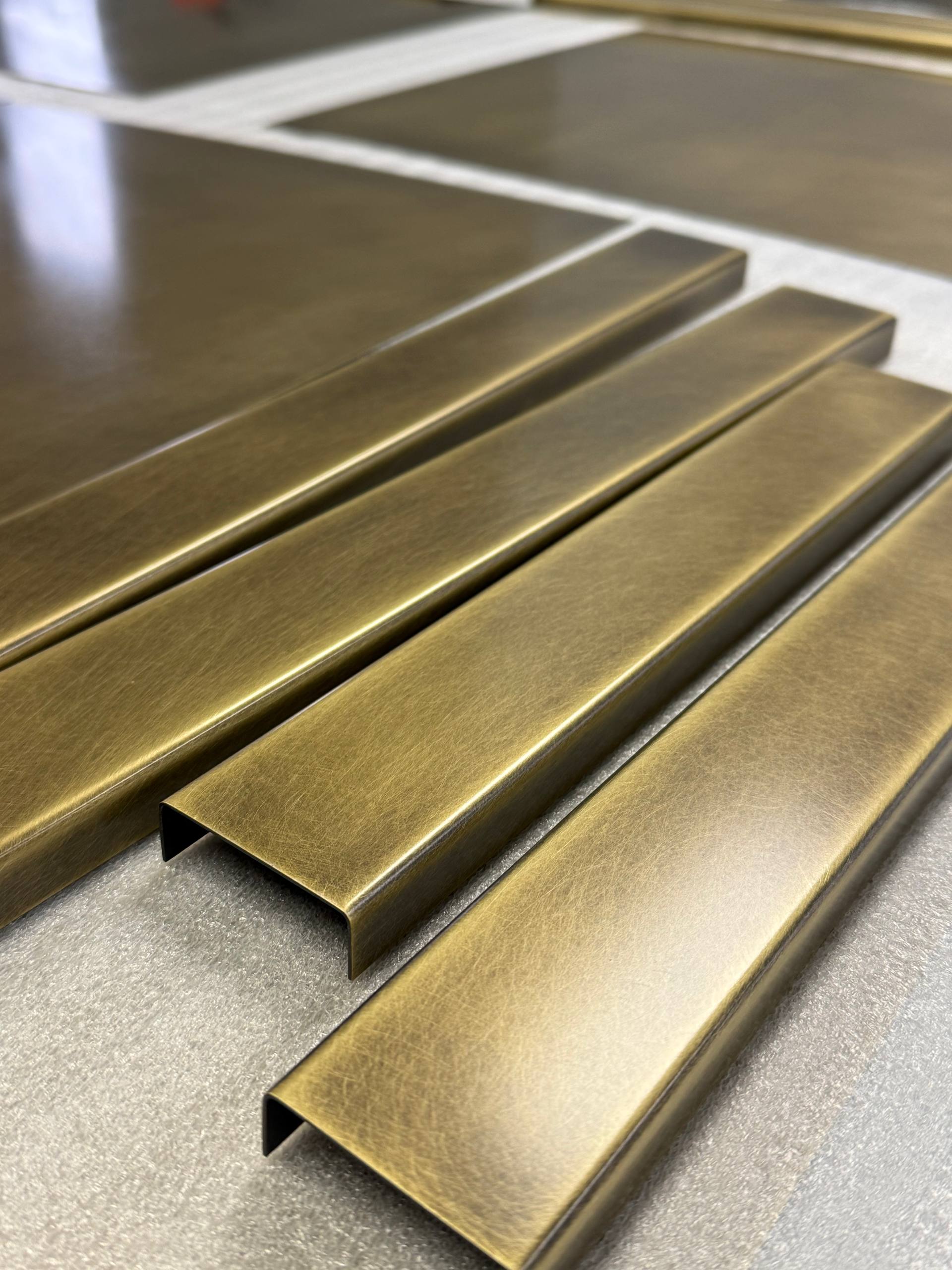
Depending on the finish, bronze can range from deep chocolate tones to lighter antique shades with visible movement and texture. Because of this, every project develops its own unique visual identity.
Brass
By contrast, brass has a brighter and warmer golden appearance. Consequently, it creates a more decorative and elegant look that immediately attracts attention. In addition, brass is frequently used in luxury retail, bars, restaurants, railings, and statement architectural features.
Unlike polished gold-style finishes, architectural brass can also be brushed, satin-finished, aged, or patinated for a softer and more refined appearance. Therefore, it can fit both modern and classic interiors.
Stainless Steel
Meanwhile, stainless steel delivers a cleaner, sharper, and more contemporary aesthetic. Because of this, it is widely used in modern architecture where minimalism and durability are priorities.
Finishes can range from brushed satin to highly reflective mirror polish. Additionally, stainless steel performs especially well in commercial spaces, kitchens, elevators, exterior applications, and high-traffic environments.
Durability and Performance
All three materials are durable. However, they perform differently depending on the environment and intended use.
Bronze and Brass
Bronze and brass are copper-based alloys. Therefore, they naturally react to air, moisture, and touch over time. Nevertheless, this reaction is not considered damage. Instead, it becomes part of the character and beauty of the material.
Both materials are highly durable for interior architectural applications and can last for decades when fabricated and finished properly.
Stainless Steel
On the other hand, stainless steel typically provides the highest resistance to corrosion, moisture, and physical wear. As a result, it is often the preferred option for demanding commercial and exterior environments.
Stainless steel is especially effective for:
- ✔ exterior architectural features
- ✔ commercial applications
- ✔ kitchens and wet areas
- ✔ high-traffic environments
Therefore, for projects requiring maximum longevity with minimal visible aging, stainless steel is often the safest choice.
Aging and Patina
One of the biggest differences between these materials is how they age over time. While some clients prefer visual consistency, others specifically want natural variation and evolving character.
Bronze and Brass Patina
Bronze and brass naturally develop patina over time. Consequently, many designers intentionally choose these materials because they evolve and gain depth with age.
Patina can develop through:
- ✔ oxidation
- ✔ touch points
- ✔ humidity
- ✔ sunlight exposure
- ✔ environmental conditions
As a result, the surface gains uniqueness that cannot be perfectly replicated by artificial finishes.
In fact, Architectural Digest highlighted how warm and cool metal combinations continue to play a major role in luxury interior design because they add depth, contrast, and visual balance to a space.
Stainless Steel Aging
By comparison, stainless steel changes far less over time. Therefore, it maintains a cleaner and more consistent appearance for years.
However, mirror-polished stainless steel may show fingerprints and scratches more easily than brushed finishes. Because of this, many commercial projects prefer satin or brushed textures for easier maintenance.
Maintenance Expectations
Maintenance is another major factor when selecting architectural metals. Although all three materials are durable, the level of care differs significantly.
Bronze and Brass
Bronze and brass generally require:
- ✔ gentle cleaning
- ✔ proper handling
- ✔ occasional protective treatment depending on finish
Some clients prefer preserving the original finish. Meanwhile, others intentionally allow the material to age naturally for additional character.
Stainless Steel
In contrast, stainless steel is usually easier to maintain and clean. Additionally, brushed finishes hide fingerprints and small scratches more effectively.
Because of this, stainless steel is often favored in hospitality and commercial projects with heavy daily use.
Best Applications for Each Material
Bronze Works Best For:
- ✔ luxury residential interiors
- ✔ boutique hotels
- ✔ fireplace surrounds
- ✔ feature walls
- ✔ decorative architectural details
- ✔ custom doors
Brass Works Best For:
- ✔ statement features
- ✔ luxury retail spaces
- ✔ bars and restaurants
- ✔ decorative trims
- ✔ high-end millwork accents
- ✔ artistic installations
Stainless Steel Works Best For:
- ✔ modern architecture
- ✔ exterior applications
- ✔ kitchens
- ✔ elevators
- ✔ commercial spaces
- ✔ high-traffic environments
Ultimately, there is no universal “best” material. Instead, the right choice depends on the project’s design goals, maintenance expectations, functionality, and long-term vision.
Bronze brings warmth and timeless character.
Brass creates bold luxury and visual impact.
Meanwhile, stainless steel delivers clean durability and modern precision.
Most importantly, understanding how each material behaves over time helps create projects that not only look impressive on installation day, but also continue performing beautifully for years afterward.
See more
- Why Custom Metalwork Is the Secret Ingredient in Award-Winning Interior Design
- Why Custom Metal Screens Are the New Luxury Partition
- How Light Interacts with Architectural Metal Finishes
- 5 Reasons Custom Metal Features Increase Property Value
- Designing for Wellness: Why Custom Metal Is Gaining Popularity in High-End Home Gyms and Spas
- The Art of Patina: Creating Distinctive Metal Finishes for Architectural Designs