Engineering vs Design: Where Great Metal Projects Usually Fail
Engineering vs design is one of the most critical — and most underestimated — tensions in high-end architectural metalwork. While designers push for clean lines, seamless finishes, and bold visual impact, engineers must ensure that every detail can actually be fabricated, transported, and installed.
The problem, however, is not design.
And it’s not engineering.
Instead, the problem is the gap between them.
When that gap is not addressed early, even the most impressive concepts can lead to delays, budget overruns, and compromised results.
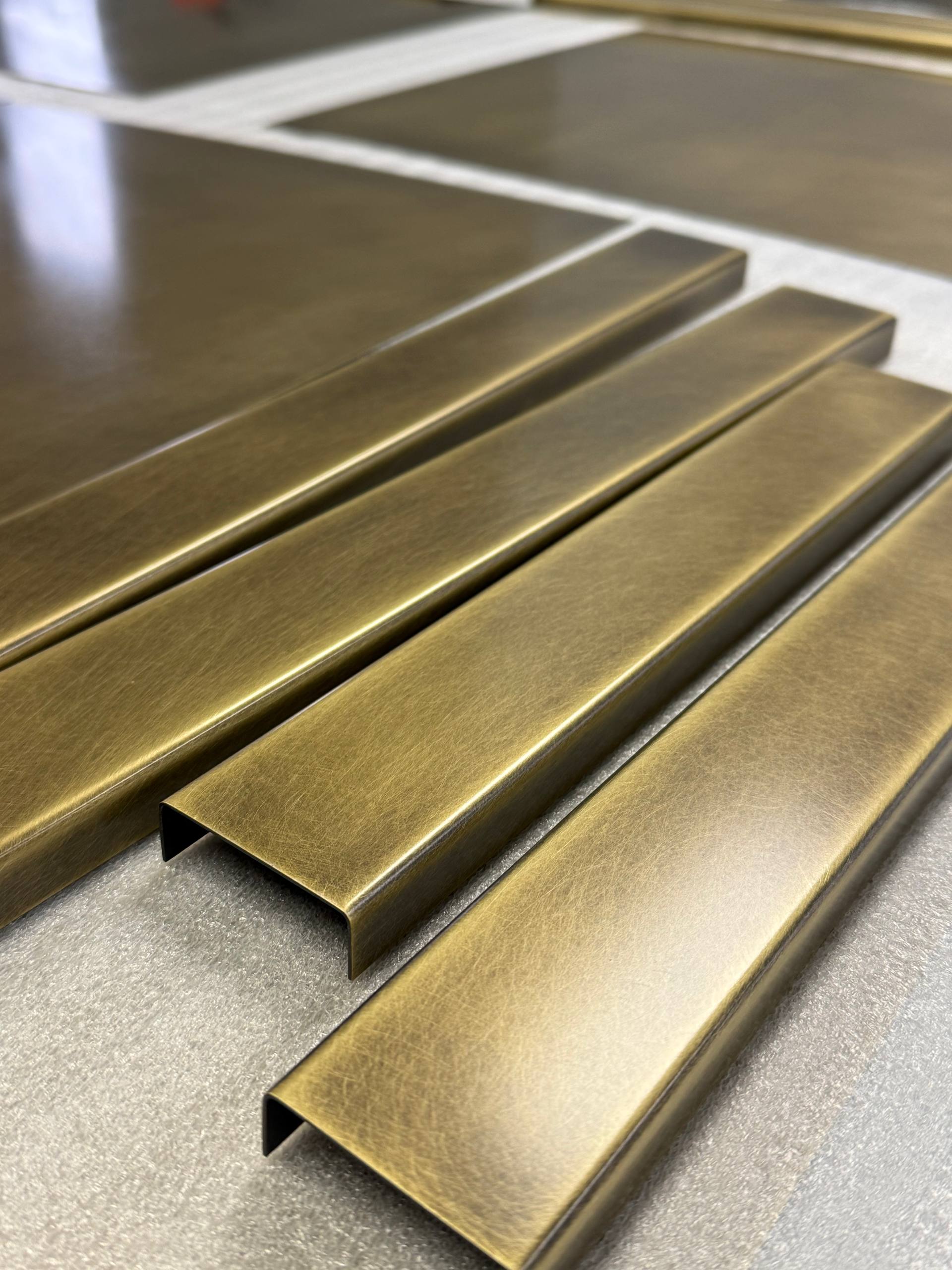
Designers Push Aesthetics. Engineers Push Reality
On one hand, architects and designers are responsible for vision — minimal joints, continuous surfaces, and refined finishes. On the other hand, fabricators and engineers must resolve technical realities.
For example, they must account for:
-
✔ Material behavior and tolerances
-
✔ Structural integrity and load requirements
-
✔ Fabrication methods and limitations
-
✔ Transportation constraints
-
✔ Installation conditions on site
Therefore, these priorities are not in conflict by nature — they are complementary. However, without alignment, projects quickly move into a zone where the design is visually strong, yet technically unresolved.
As emphasized by the American Institute of Architects, early collaboration between design and technical teams is essential for successful project delivery.
Where Projects Usually Break Down
1. Connections and Joinery
In many cases, design intent assumes invisible or seamless connections. In reality, however, metal requires:
-
✔ Welds
-
✔ Mechanical fasteners
-
✔ Expansion allowances
As a result, without early planning, connections become either visible compromises or expensive redesigns.
2. Weight and Structural Load
At first glance, a metal feature may appear light and minimal. However, in practice, metal carries significant weight.
Consequently, common issues include:
-
✔ Inadequate support structures
-
✔ Overloading millwork or substrates
-
✔ Difficult installation due to size and mass
In many situations, these problems only become apparent late in the process — when changes are most costly.
3. Fabrication Complexity
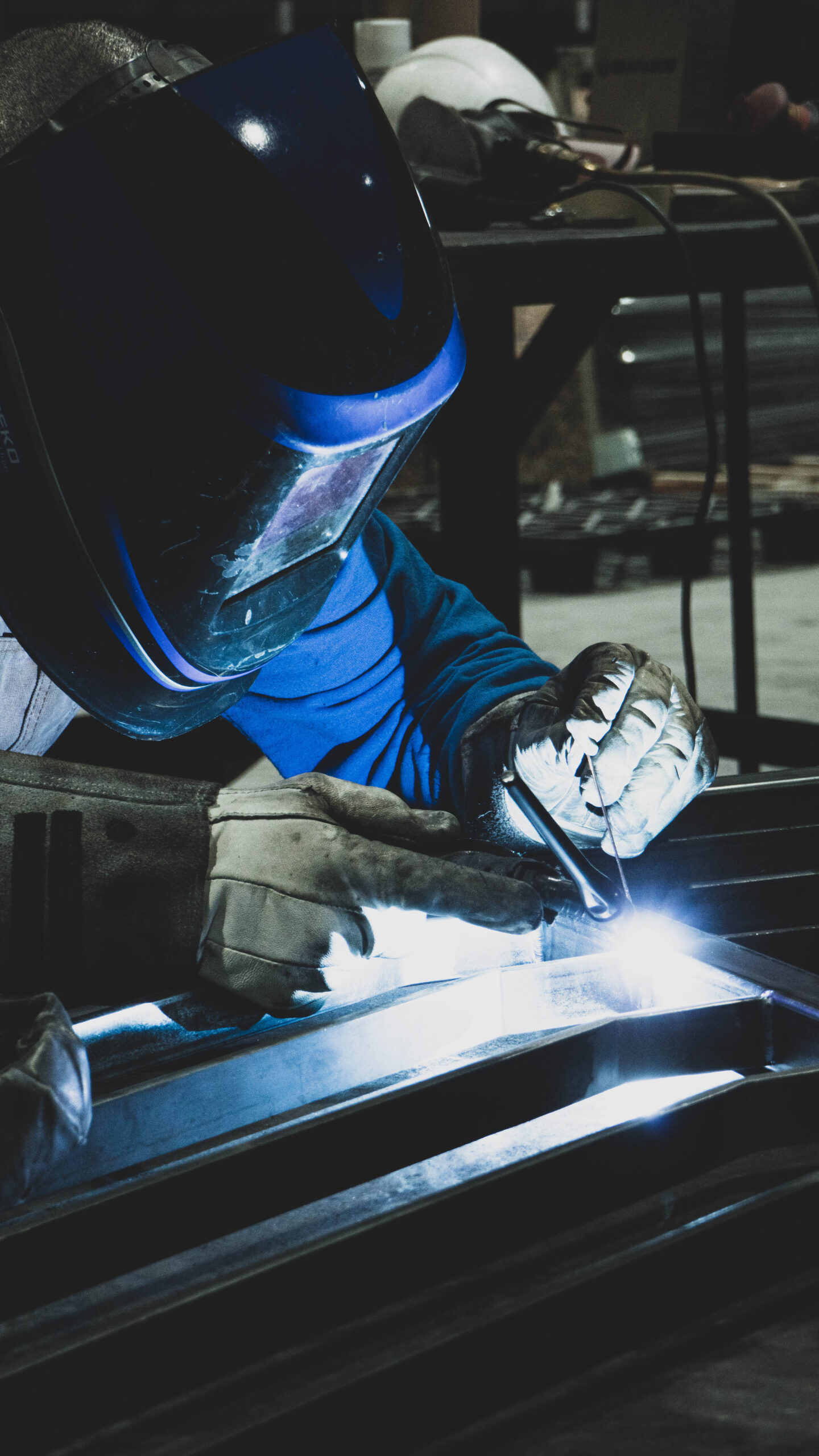
Although designs may look simple in renderings, fabrication is often far more complex. For instance, curves, tight radiuses, and mirror finishes require multiple stages of work.
Specifically, complexity is driven by:
-
✔ Multi-stage forming and welding
-
✔ Precision grinding and polishing
-
✔ Custom tooling
Therefore, without understanding fabrication methods early, both timelines and budgets can escalate quickly.
4. Finishing and Plating Limitations
Similarly, finishes — especially brass, bronze, and specialty patinas — introduce another layer of constraints.
For example:
-
✔ Parts often must be fabricated separately for proper plating
-
✔ Large assemblies may not fit into finishing tanks
-
✔ Welded assemblies can result in inconsistent finishes
As a result, ignoring these limitations can directly compromise the final aesthetic.
5. Installation Reality
Even if fabrication is executed perfectly, installation can still present challenges. In fact, this is often where the biggest issues arise.
Typical challenges include:
-
✔ Tight site conditions
-
✔ Sequencing with other trades
-
✔ Lack of tolerance in surrounding materials
-
✔ Limited adjustability
Ultimately, installation is where design, engineering, and real-world conditions fully collide.
Why the Gap Happens
In most cases, the disconnect between engineering and design is not intentional. Instead, it results from process gaps.
For instance, common causes include:
-
✔ Late involvement of fabricators
-
✔ Over-reliance on visual renderings
-
✔ Lack of detailed specifications
-
✔ Unrealistic assumptions about materials
According to the National Institute of Building Sciences, early coordination and integrated project delivery significantly reduce errors, delays, and cost overruns.
How to Balance Engineering and Design Early
1. Engage Fabricators During Design
First and foremost, early collaboration allows design intent to align with real fabrication methods. As a result, major revisions can be avoided later.
2. Define Critical Details Early
In addition, key elements such as connections, support systems, and finishes should be resolved during the design stage — not during fabrication.
3. Design with Tolerances in Mind
Moreover, perfect alignment does not exist in construction. Therefore, designing with realistic tolerances ensures smoother installation and better final results.
4. Understand Material Behavior
Equally important, each metal behaves differently. For this reason, understanding the limitations of bronze, brass, stainless steel, or aluminum helps prevent unrealistic expectations.
5. Plan Installation from Day One
Finally, installation strategy should be considered from the very beginning. This includes piece sizing, assembly sequence, and site logistics.
In the end, great architectural metalwork sits at the intersection of design vision and engineering reality.
When these two forces are aligned early, the result is seamless, precise, and durable. However, when they are not, even the most compelling concepts can fail under real-world conditions.
Ultimately, the difference is not creativity or capability —
it is coordination.
See more
- Custom metal screens & dividers: elevating open spaces with artistic functionality
- Reception Desks in Architectural Metal: Design, Finishes, and Fabrication Considerations
- Collaboration in Design: How Metal Fabricators and Architects Create Excellence Together
- Bespoke vs. Off-the-Shelf: Why Custom Metal Fabrication is Worth the Investment
- How Light Interacts with Architectural Metal Finishes
- Metal Thickness in Design: What Looks the Same on Paper but Changes Everything in Fabrication