How to Choose the Right Metal Fabricator: 5 Key Criteria for Architects & Builders
Choosing the right metal fabricator is one of the most important decisions an architect or builder can make on a custom project. While metal often appears as just one line item in the scope, in reality, it plays a defining role in both the visual identity and long-term performance of a space.
Today, architectural metal is no longer only structural. Instead, it has become a central design feature in luxury residential, hospitality, and commercial environments. Therefore, the fabricator you choose is not simply a supplier — they become a technical partner in the success of your project.
For this reason, selecting the right metal fabricator requires more than just comparing prices. It requires a careful evaluation of experience, precision, communication, and reliability. Below are the five most important criteria to guide that decision.
Moreover, the importance of precision and finish quality in architectural metal is widely recognized across the design industry. For example, ArchDaily highlights how refined metallic finishes and fabrication accuracy directly influence the perceived quality and visual impact of modern interiors, reinforcing the idea that tight tolerances and surface control are essential in high-end architectural projects.
(Source: ArchDaily – “Crafting an Aura of Perfection with Intense Metallic Finishes in Modern Interiors”)
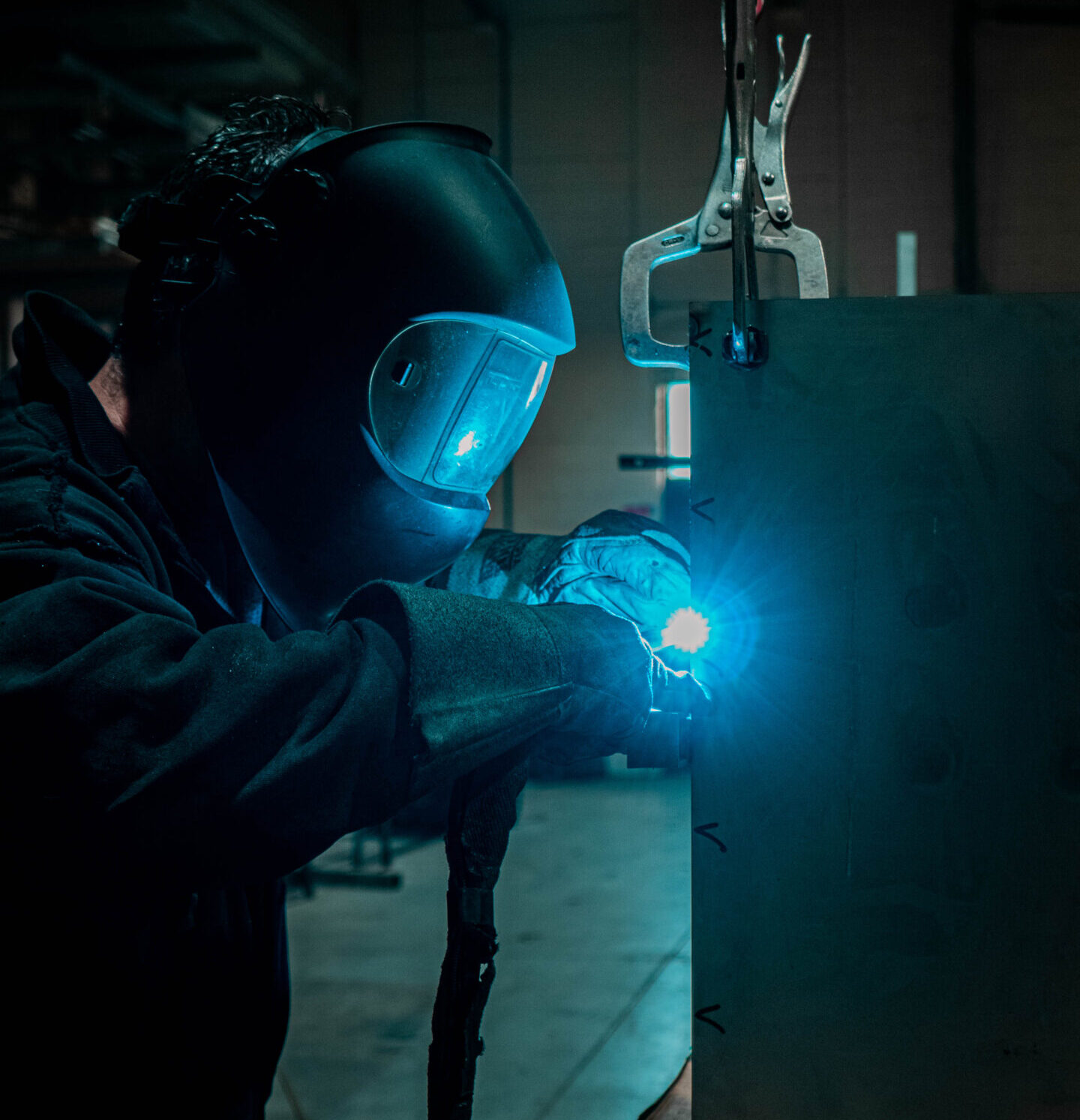
1. Architectural Experience Matters More Than You Think
First and foremost, it is essential to understand that not all metal fabricators operate in the architectural world. Many shops focus on industrial parts, structural steel, or mass production. However, architectural metalwork demands a completely different mindset.
Unlike standard fabrication, architectural projects require:
+ High-visibility finishes
+ Tight tolerances
+ Integration with glass, wood, and stone
+ Strong understanding of design intent
Therefore, when evaluating a fabricator, you should always ask:
+ Do they specialize in architectural metal?
+ Can they show projects similar to yours?
+ Do they regularly work with stainless steel, brass, bronze, and aluminum?
If the answer to these questions is unclear, that is often the first warning sign. In contrast, a true architectural metal fabricator will already speak the language of designers and builders.
2. Design-Assist Is a Major Competitive Advantage
Equally important, and often underestimated, is design-assist capability. The best fabricators do not simply build what is shown on the drawings. Instead, they help improve the drawings before production even starts.
At this stage, a strong fabricator will:
– Review details for constructability
– Propose better fixing solutions
– Suggest alternative methods to reduce cost or risk
– Identify tolerance issues before they become site problems
As a result, many future conflicts are avoided long before the first piece of metal is cut. Moreover, early collaboration often leads to cleaner installations, fewer change orders, and better visual results.
In contrast, fabricators who only follow drawings without questioning them often push design issues directly onto the job site — where mistakes become expensive.

3. Precision, Tolerances & Quality Control Define the Final Result
In architectural metal, small inaccuracies create big visual problems. Even a 1 mm deviation can lead to misalignment, uneven reveals, or installation delays. For that reason, precision must be built into every stage of production.
A professional fabricator should be able to clearly explain:
+ How they control tolerances
+ What equipment they use (CNC, laser cutting, precision braking)
+ How welding quality is monitored
+ How finished dimensions are inspected
Furthermore, they should have a defined quality control process, not just informal checks. This typically includes:
– Dimensional verification
– Visual inspection
– Mock-ups for complex or high-visibility elements
Without these systems in place, consistency becomes luck — not process. Therefore, any fabricator who cannot clearly describe their quality control strategy should be assessed with caution.
4. Finishing & Material Knowledge Separate Average Work from Luxury Work
While fabrication builds structure, finishing defines perception. In high-end projects, clients do not judge the thickness of steel — they judge:
+ Surface quality
+ Reflections
+ Color tone
+ Texture consistency
For this reason, your fabricator must demonstrate strong ability in:
– Mirror, brushed, satin, and bead-blasted finishes
– Custom patinas
– Powder coating and plating coordination
– Surface protection for transport and installation
Just as importantly, they must understand how finishes age over time. For example, what works in an interior lobby may fail on an exterior façade. Therefore, finishing is not just visual — it is technical and environmental.
A fabricator who controls both fabrication and finishing strategy will always deliver more predictable and durable results.
5. Reliability, Communication & Project Management Are Non-Negotiable
Finally, even the best craftsmanship loses value if delivery fails. For that reason, reliability is often the most important long-term criterion.
A strong fabrication partner will:
+ Provide realistic lead times
+ Communicate clearly and consistently
+ Issue accurate shop drawings
+ Flag risks early
+ Coordinate with other trades
+ Stand behind their work
Moreover, they will not disappear after delivery. Instead, they remain engaged through installation and close-out. This level of responsibility is what separates true partners from simple vendors.
In contrast, poor communication, unclear scheduling, and reactive problem-solving almost always lead to delays and tension on site.

Common Red Flags to Watch For
To protect your project, it is equally important to recognize warning signs early. These may include:
– No architectural project portfolio
– Vague answers regarding tolerances and finishing
– Lack of documentation or shop drawings
– Unusually low pricing without technical justification
– Slow or unclear communication during quoting
In many cases, these red flags lead to rework, delays, and budget overruns later.
Ultimately, the right metal fabricator is not just a subcontractor — they are a critical part of your project team. When chosen correctly, they help:
+ Protect design intent
+ Control budget risk
+ Improve installation quality
+ Extend product lifespan
+ Strengthen client confidence
At MNR Custom Metal, we work closely with architects, designers, and builders to deliver high-precision architectural metalwork for luxury interiors and exteriors. From early design-assist to final installation, our focus remains on accuracy, craftsmanship, and dependable execution.
If metal plays a defining role in your next project, our team is always ready to collaborate.
See more
- Powder-Coated Metal: Durable, Customizable, and Surprisingly Elegant
- Innovative Metal Design Ideas for Outdoor Living Spaces
- Why Custom Metalwork Is the Secret Ingredient in Award-Winning Interior Design
- Metal Thickness in Design: What Looks the Same on Paper but Changes Everything in Fabrication
- Mistakes to Avoid When Specifying Custom Metalwork in Your Build
- The Art of Patina: Creating Distinctive Metal Finishes for Architectural Designs