The Difference Between Mass-Produced and Truly Custom Metalwork
In today’s design world, many companies use the term “custom metalwork” very loosely. However, true architectural custom metal fabrication differs significantly from modified standard products or mass-produced systems. While standardized solutions work well for certain applications, they rarely deliver the same level of detail, integration, or uniqueness as real custom fabrication.
Therefore, architects, designers, builders, and property owners should understand the difference before selecting materials and fabrication methods for a project.
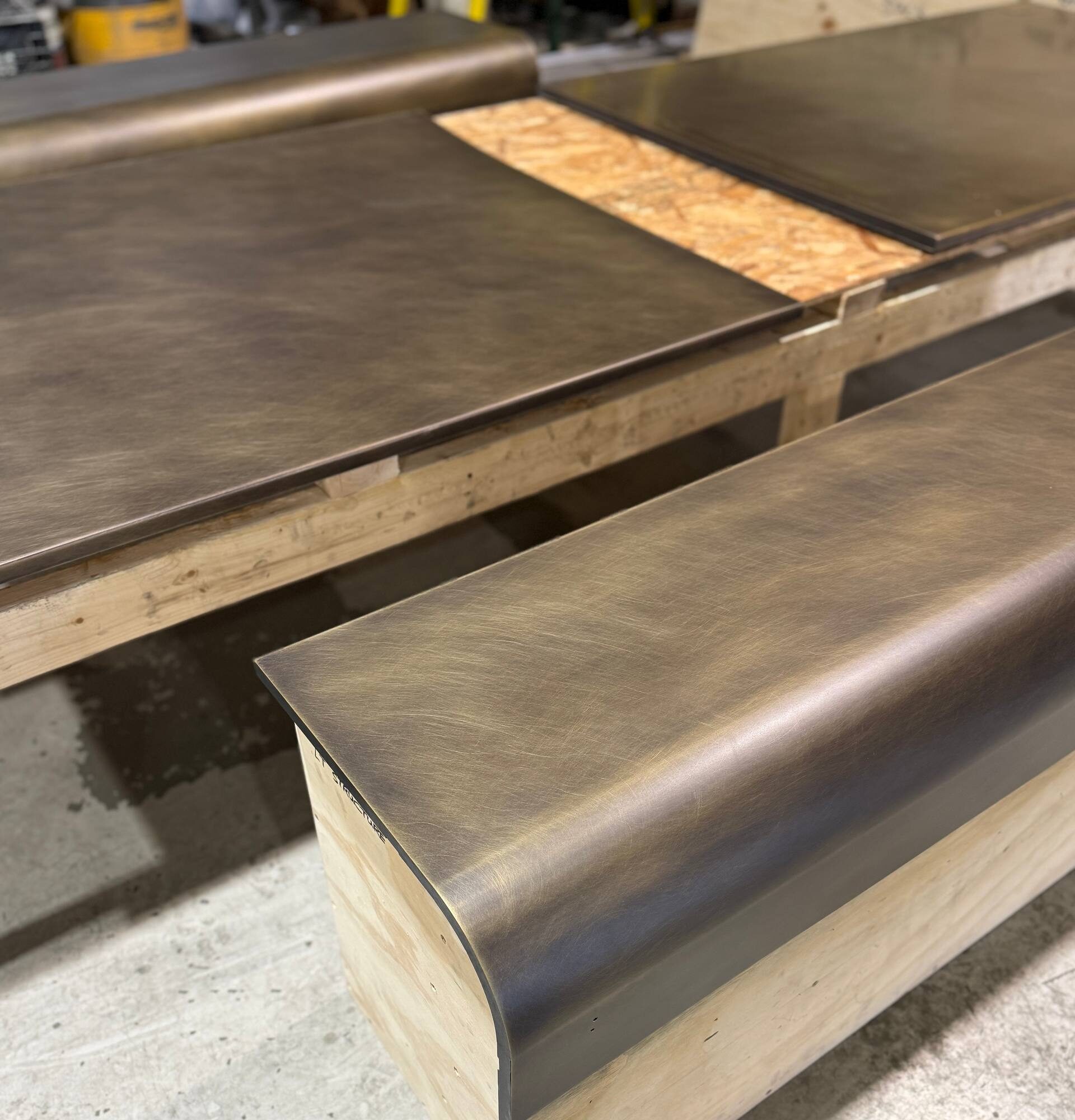
What Is Mass-Produced Metalwork?
Mass-produced metalwork focuses primarily on efficiency, speed, and repetition. Manufacturers create standardized products using fixed dimensions, repeatable details, and limited finish options. As a result, they can produce large quantities quickly and at a lower cost.
Developers and contractors often use these systems in:
-
✔ Commercial construction
-
✔ Retail spaces
-
✔ Multi-unit developments
-
✔ Budget-focused projects
Although mass-produced systems serve an important role in construction, they also create several limitations. For example, designers often face:
-
✔ Restricted sizing options
-
✔ Generic finish selections
-
✔ Visible seams and connections
-
✔ Limited flexibility
-
✔ Minimal integration with surrounding materials
Consequently, the final result may feel functional but not refined.
What Makes Metalwork Truly Custom?
True custom metal fabrication begins with the design intent of the space itself. Instead of adjusting a standard product, fabricators engineer and build each piece specifically for the project.
As a result, custom fabrication allows architects and designers to achieve cleaner details, more precise proportions, and better integration with materials such as wood, glass, and stone.
In most cases, custom architectural metalwork includes:
-
✔ Project-specific engineering
-
✔ Custom material selection
-
✔ Tailored finish development
-
✔ Integration with millwork and lighting
-
✔ Precision fabrication
-
✔ Hand-finishing processes
-
✔ Specialized installation methods
Moreover, every detail matters in high-end projects. Even small inconsistencies can affect the overall appearance of a luxury interior.
The Hidden Complexity Behind Custom Fabrication
Many people assume that simpler metal designs are easier to fabricate. In reality, minimalist projects often require the highest level of craftsmanship and precision.
For example:
-
✔ Thin metal profiles require tighter tolerances
-
✔ Seamless corners demand advanced welding and finishing
-
✔ Mirror finishes expose imperfections immediately
-
✔ Hidden fasteners require additional engineering
-
✔ Large metal panels need careful structural planning
Because of this, fabricators often spend significantly more time producing “simple” luxury details than heavily decorative components.
Additionally, truly custom fabrication requires constant coordination between designers, engineers, millworkers, installers, and fabrication teams. Without proper communication, even small dimensional conflicts can create major installation issues later in the project.
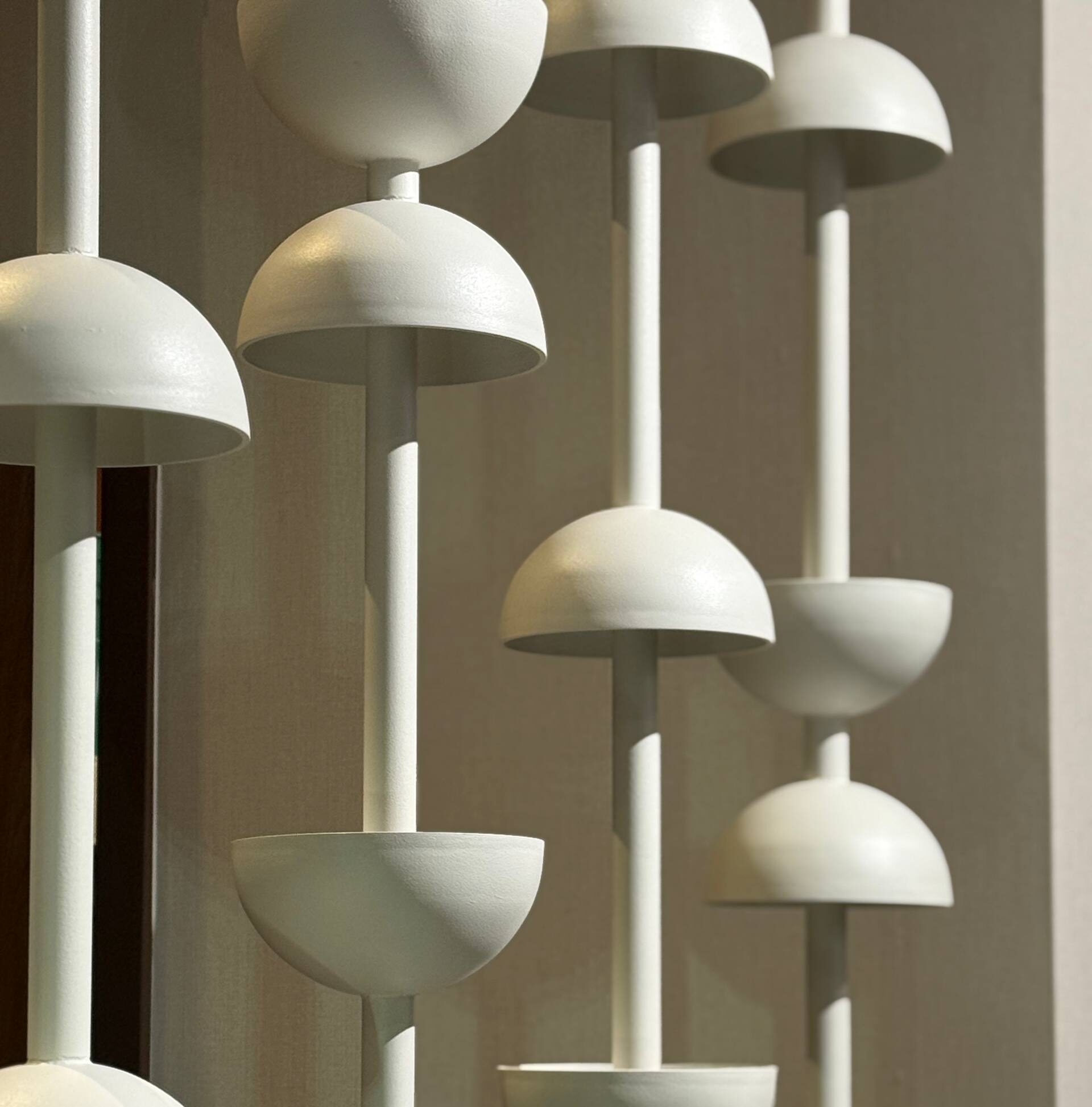
Finish Quality Creates a Major Difference
Finish quality represents another major difference between mass-produced and custom metalwork. Most mass-produced systems use standardized finishes that prioritize speed and consistency. By contrast, custom fabrication often involves hand-applied finishes, sample development, and project-specific adjustments.
Architectural metals such as:
-
✔ Bronze
-
✔ Brass
-
✔ Stainless steel
-
✔ Blackened steel
-
✔ Patinated finishes
react differently under lighting conditions and over time. Therefore, experienced fabricators carefully consider how lighting, reflections, and surrounding materials will affect the final appearance.
Furthermore, many luxury designers now prefer authentic metal finishes instead of imitation materials or printed surfaces. Real metal develops natural depth, texture, and character that synthetic alternatives cannot fully replicate.
In fact, many contemporary residential and commercial projects featured by ArchDaily highlight the growing use of architectural metals to create cleaner, more refined interior environments.
Why Custom Metalwork Adds Long-Term Value
Although custom fabrication usually costs more upfront, it often creates stronger long-term value. Specifically, custom metalwork prioritizes:
-
✔ Durability
-
✔ Material quality
-
✔ Timeless aesthetics
-
✔ Better integration
-
✔ Reduced visual compromise
-
✔ Unique identity for the space
As a result, luxury residential, hospitality, and retail projects often use custom metal features as focal points within the overall design.
In addition, well-executed architectural details can significantly influence how people emotionally experience a space. Most visitors may not consciously identify every design detail. Nevertheless, carefully fabricated custom elements often shape the perception of quality, craftsmanship, and sophistication.
Mass-produced metalwork and true custom fabrication serve very different purposes. On one hand, standardized systems prioritize efficiency and scalability. On the other hand, custom architectural metalwork focuses on precision, craftsmanship, integration, and individuality.
Ultimately, projects that value design quality, long-term durability, and unique visual impact benefit the most from true custom fabrication.
At MNR Custom Metal, we believe the difference always comes down to the details.
See more
- Top Trends in Architectural Metal Design for 2024
- Engineering vs Design: Where Great Metal Projects Usually Fail
- Common Budget Mistakes When Designing Custom Metal Features
- What Architects Should Know Before Designing With Bronze, Brass, or Stainless Steel
- 5 Must-Have Custom Metal Features for Modern Luxury Homes
- Reception Desks in Architectural Metal: Design, Finishes, and Fabrication Considerations