The Real Cost of Custom Metal Fabrication: What You’re Actually Paying For
When comparing quotes for custom metal fabrication, it’s tempting to focus only on the final price. However, two companies can quote the same project and differ by thousands of dollars—and there is usually a good reason for that.
Quality architectural metalwork is about much more than cutting and welding steel. In reality, every successful project involves engineering, precision craftsmanship, quality control, and years of experience. Understanding where your investment goes can help you make a better decision and avoid costly surprises later.
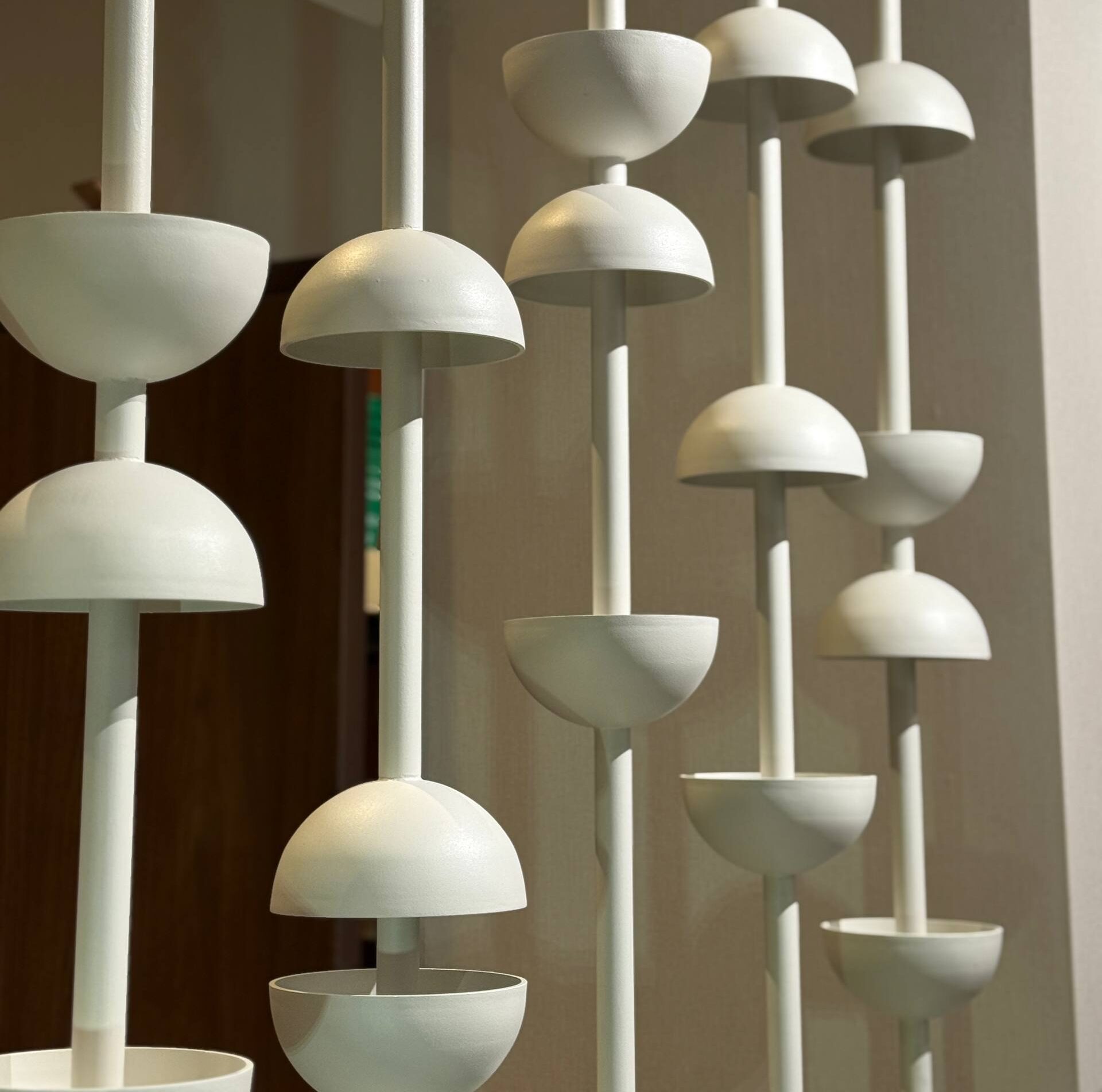
1. Engineering Comes Before Custom Metal Fabrication
First, every successful project begins with engineering and planning.
Before a single piece of metal is cut, engineers and detailers carefully review architectural drawings, identify potential challenges, and create fabrication-ready shop drawings. This collaborative planning process aligns with industry best practices promoted by the American Institute of Architects (AIA), helping ensure every component fits accurately, performs as intended, and minimizes costly revisions during construction.
This stage helps ensure:
- ✔ Accurate dimensions
- ✔ Structural integrity
- ✔ Proper installation methods
- ✔ Compatibility with surrounding millwork and finishes
Without proper engineering, projects are far more likely to experience delays, costly revisions, and unexpected change orders.
2. Prototyping Prevents Expensive Mistakes
Next, many high-end projects require prototypes or sample pieces before full production begins.
Luxury construction leaves very little room for error. Therefore, fabricators often build mock-ups so architects, designers, and clients can review every important detail before manufacturing starts.
These prototypes allow teams to evaluate:
- ✔ Finish quality
- ✔ Weld appearance
- ✔ Material selection
- ✔ Overall fit
- ✔ Fabrication methods
Although prototyping adds time and cost at the beginning of a project, it often saves significantly more by preventing expensive corrections during installation.
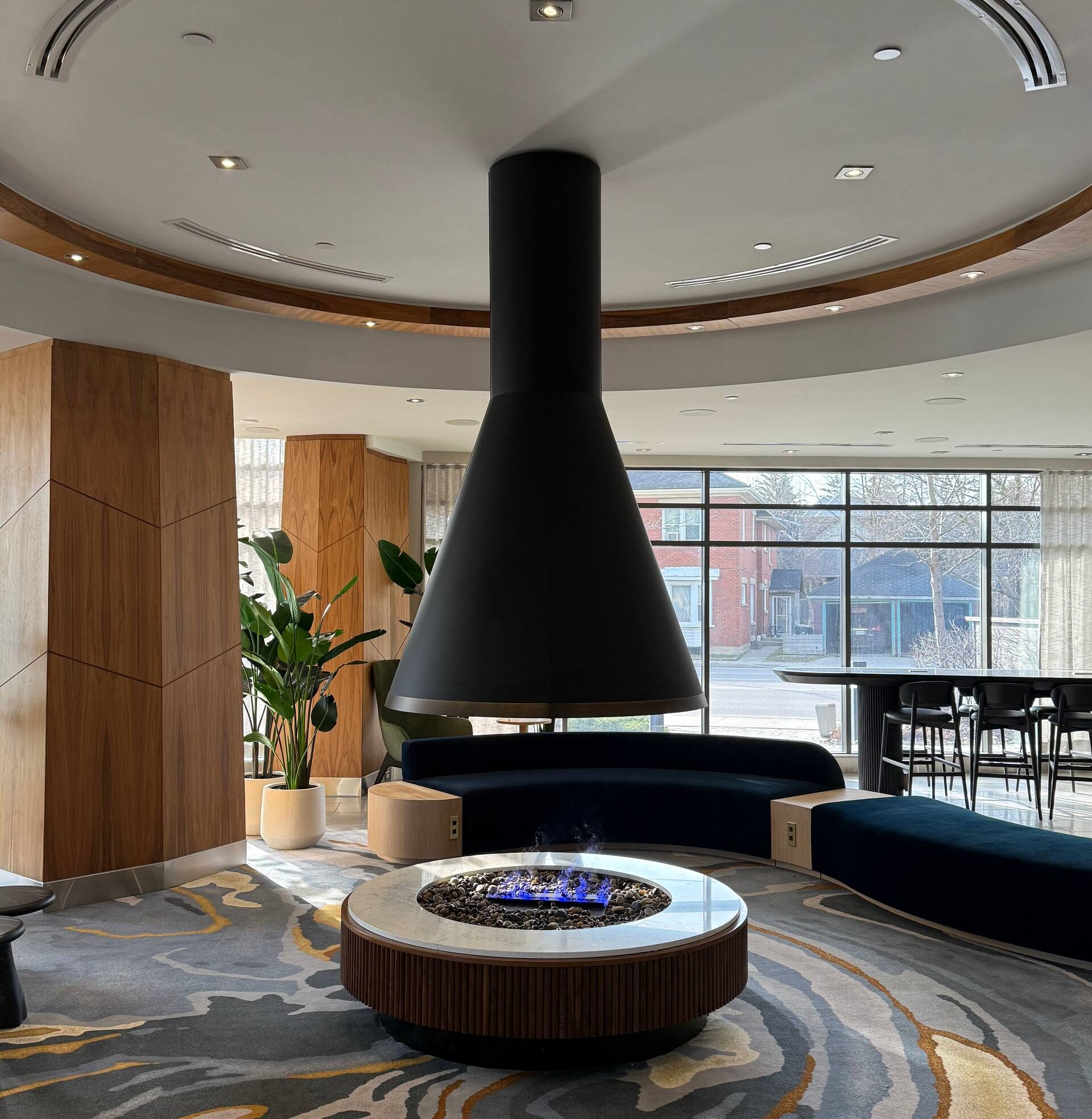
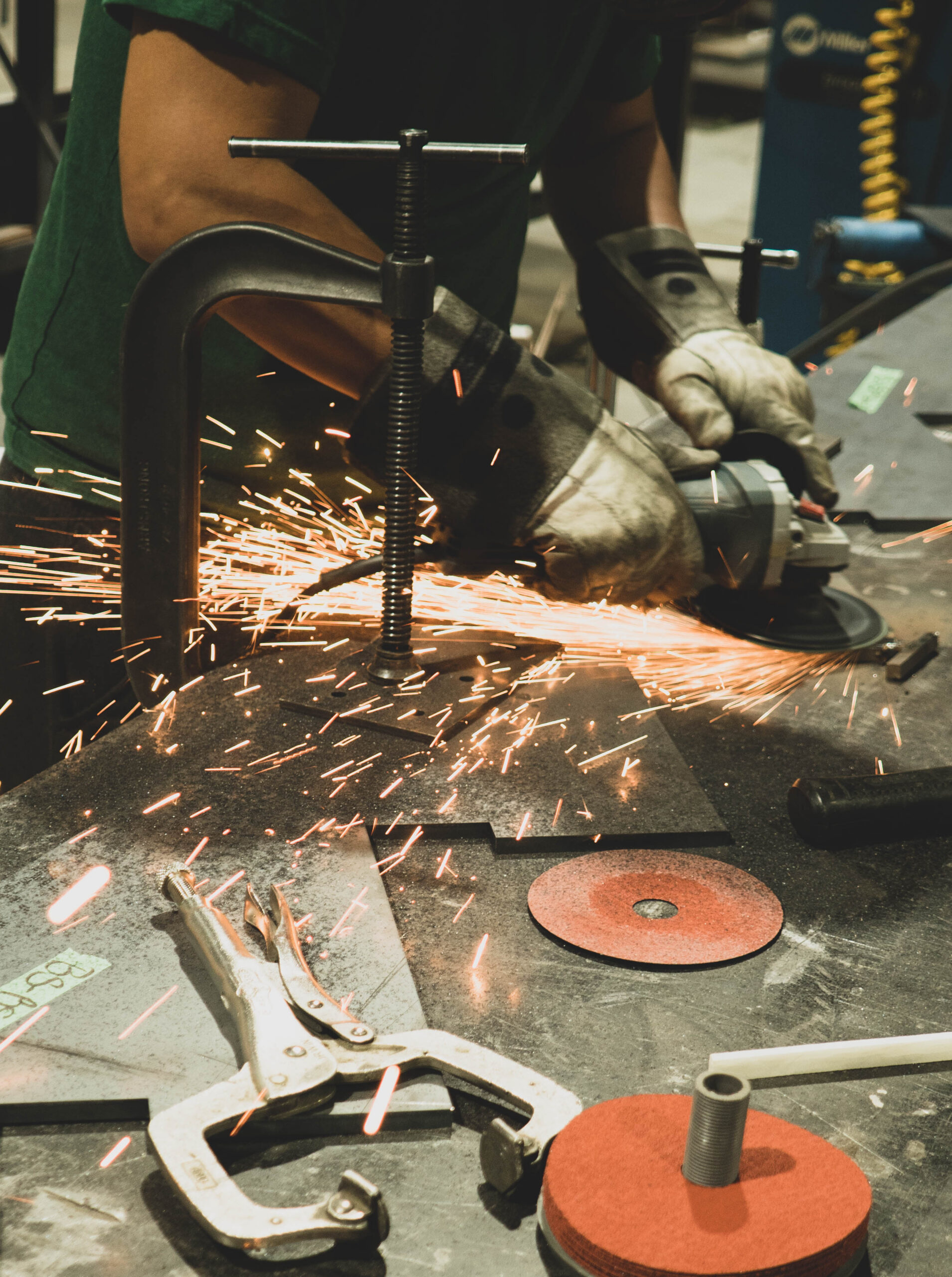
3. Precision Custom Metal Fabrication Is Much More Than Welding
Many people assume fabrication simply means cutting and welding metal together. However, the actual process is far more complex.
Depending on the project, fabrication may include:
- ✔ Laser cutting
- ✔ CNC machining
- ✔ Brake forming
- ✔ TIG and MIG welding
- ✔ Rolling and bending
- ✔ Precision assembly
- ✔ Dimensional inspection
Each step requires specialized equipment, skilled craftsmen, and strict quality control. Consequently, producing premium architectural metalwork demands both technical expertise and attention to detail.
4. Finishing Often Takes Longer Than Fabrication
In fact, one of the most time-consuming parts of architectural metal fabrication is the finishing process.
Depending on the material and desired appearance, technicians may spend hours:
- ✔ Blending welds
- ✔ Sanding surfaces
- ✔ Polishing stainless steel
- ✔ Matching grain direction
- ✔ Preparing for powder coating
- ✔ Applying patina or specialty finishes
For premium projects, finishing can actually take longer than welding itself. Ultimately, this craftsmanship is what separates luxury architectural metalwork from standard fabrication.
5. Tight Installation Tolerances Require Exceptional Accuracy
Furthermore, luxury architectural projects demand extremely tight tolerances.
A railing that is only a few millimetres out of square or a brass trim piece that is slightly oversized can delay multiple trades and create unnecessary installation issues.
To achieve this level of precision, fabricators invest in:
- ✔ Accurate measurements
- ✔ Detailed quality inspections
- ✔ Experienced production teams
- ✔ Careful packaging and transportation
As a result, components arrive ready to install correctly the first time, helping projects stay on schedule.
6. Experienced Custom Metal Fabrication Teams Reduce Project Risk
Finally, you’re also investing in experience.
Experienced fabrication teams know how to identify problems before production begins, coordinate with architects and contractors, and deliver solutions that keep projects moving forward.
This expertise helps reduce:
- ✔ Costly rework
- ✔ Project delays
- ✔ Installation challenges
- ✔ Unexpected change orders
In many cases, avoiding just one major mistake can save far more than the difference between two competing fabrication quotes.
Quality Is an Investment—Not Just a Price
Choosing a fabrication partner is about much more than selecting the lowest quote.
Instead, you’re investing in engineering, craftsmanship, precision, quality control, and decades of manufacturing experience. Most importantly, you’re investing in a finished product that fits properly, performs reliably, and reflects the level of quality your project deserves.
At MNR Custom Metal, we believe every detail matters. That’s why we combine technical expertise with skilled craftsmanship to deliver architectural metalwork that meets the highest standards of quality, accuracy, and durability.
See more
- Custom Metal for Luxury Condominiums: Where It Creates the Biggest Impact
- The Benefits of Custom Brass Fabrication in Luxury Interiors
- How to Choose the Right Metal Fabricator: 5 Key Criteria for Architects & Builders
- Heat-Responsive Metal Finishes: Where Innovation Meets Design
- The Difference Between Mass-Produced and Truly Custom Metalwork
- Choosing the Right Metal for Your Project: Brass, Bronze, or Stainless Steel?