Why Custom Metal Cabinet Doors Are More Complicated Than They Look
Custom metal cabinet doors bring a unique look to luxury homes, hotels, restaurants, and commercial spaces. Brass cabinet doors, bronze cabinet frames, and stainless steel cabinetry add character, texture, and elegance to modern interiors.
At first glance, these doors may seem simple. However, making them requires much more than cutting metal and joining a few pieces.
Metal doors need precise measurements, strong frames, suitable hinges, and careful finishing. Every detail matters, especially when the doors form part of high-end custom cabinetry.
A small mistake during production can lead to uneven gaps, poor alignment, or installation problems.
Understanding these challenges helps architects, designers, and millwork contractors avoid costly mistakes and achieve better results.
1. Why Precision Matters in Custom Metal Cabinet Doors
Precision plays a major role in custom metal fabrication.
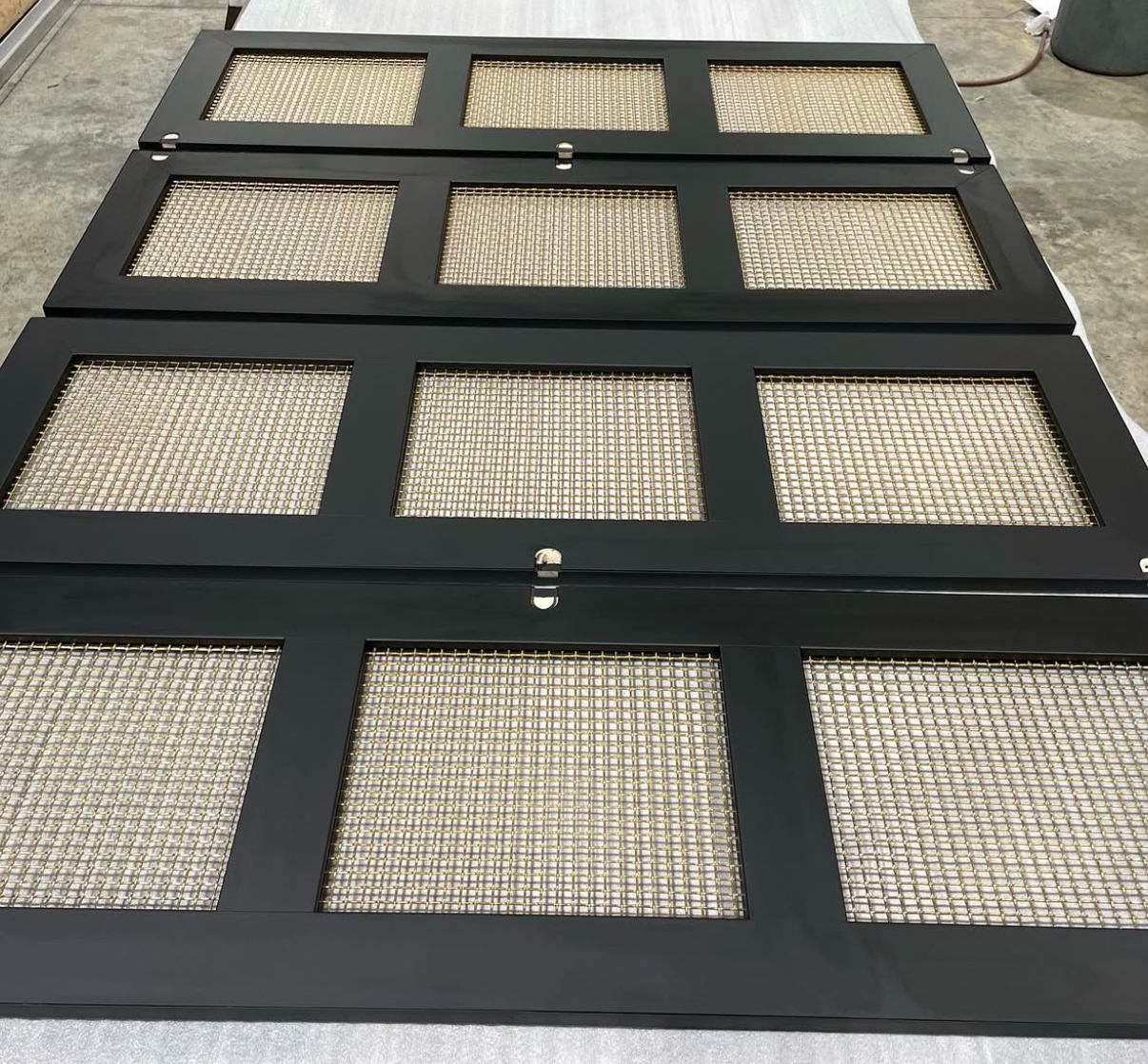
In luxury cabinetry, designers often want narrow, even gaps between doors. These gaps, known as reveals, create clean lines and a consistent appearance.
Imagine a wall of bronze cabinet doors stretching from floor to ceiling.
Each door must fit perfectly within the overall design. Even a small difference in size can become noticeable when several doors sit next to each other.
Wood cabinet doors often allow for minor adjustments during installation. Metal doors offer much less flexibility, especially after finishing.
For example, trimming a finished brass door can damage its surface. The fabricator may then need to refinish the entire edge or replace the affected part.
Therefore, the fabrication team must confirm all measurements before production.
This includes door sizes, gaps, hinge locations, and connections to the surrounding cabinetry.
The goal goes beyond making an accurate metal door. The door must also fit and work properly within the complete cabinet system.
2. Door Weight Affects the Entire Design
Weight creates one of the biggest challenges in custom metal cabinet doors.
Brass, bronze, and stainless steel can add significant weight compared with traditional cabinet materials.
For example, a solid brass panel measuring 24 inches by 48 inches with a thickness of 1/8 inch weighs approximately 45 pounds.
That weight does not include hinges, frames, glass, or other parts.
As a result, the project team must consider several factors:
- ✔ The number and type of hinges
- ✔ Cabinet strength and support
- ✔ Door alignment
- ✔ Opening and closing movement
- ✔ Installation requirements
Choosing hinges based only on door size can cause problems.
The team must also consider the total weight and construction of the door.
Hardware manufacturer Blum explains this in its technical guide, Number of Hinges. The guide shows how door height, width, and weight affect hinge selection.
However, standard cabinet hinges may not suit every custom metal door.
Large bronze frames, heavy glass inserts, and oversized doors may require special hardware.
The supporting cabinet also needs enough strength to carry the weight.
Even high-quality hinges cannot prevent problems when the cabinet structure lacks proper support.
3. Solid Metal vs. Metal-Clad Cabinet Doors
Not every cabinet door with a brass or bronze finish needs solid metal construction.
Fabricators can use different methods to achieve a similar appearance.
The right choice depends on the design, door size, weight, and budget.
Solid Metal Construction
Solid metal doors use metal as the main structural material.
A fabricator may build the door from metal sheets, welded frames, or custom metal profiles.
This method works well for certain exposed frames, decorative doors, and architectural features.
However, solid metal construction presents several challenges.
First, thicker metal increases the overall weight. Second, welding can cause the metal to move or change shape.
In addition, solid brass and bronze can increase material costs.
For larger doors, the fabricator must carefully plan the frame design and welding process.
Metal-Clad Construction
Metal-clad doors combine a base material with a decorative metal surface.
The base may consist of MDF, plywood, or another suitable material.
Fabricators then apply brass, bronze, or stainless steel sheets to create the desired finish.
This method can reduce the amount of decorative metal needed for the project.
It can also help integrate metal finishes into traditional millwork.
However, the team must consider several details.
These include the type of adhesive, metal thickness, edge construction, and stability of the base material.
Metal and wood-based materials also react differently to changes in temperature and humidity.
Therefore, the fabricator must choose materials and attachment methods that suit the application.
Which Method Works Better?
Neither method works best for every project.
A narrow bronze frame with glass inserts may require a welded metal structure.
Meanwhile, a large cabinet door with a flat brushed brass surface may work better with metal cladding.
The best solution balances appearance, strength, weight, and cost.
Most importantly, the construction method must support the intended design and everyday use.
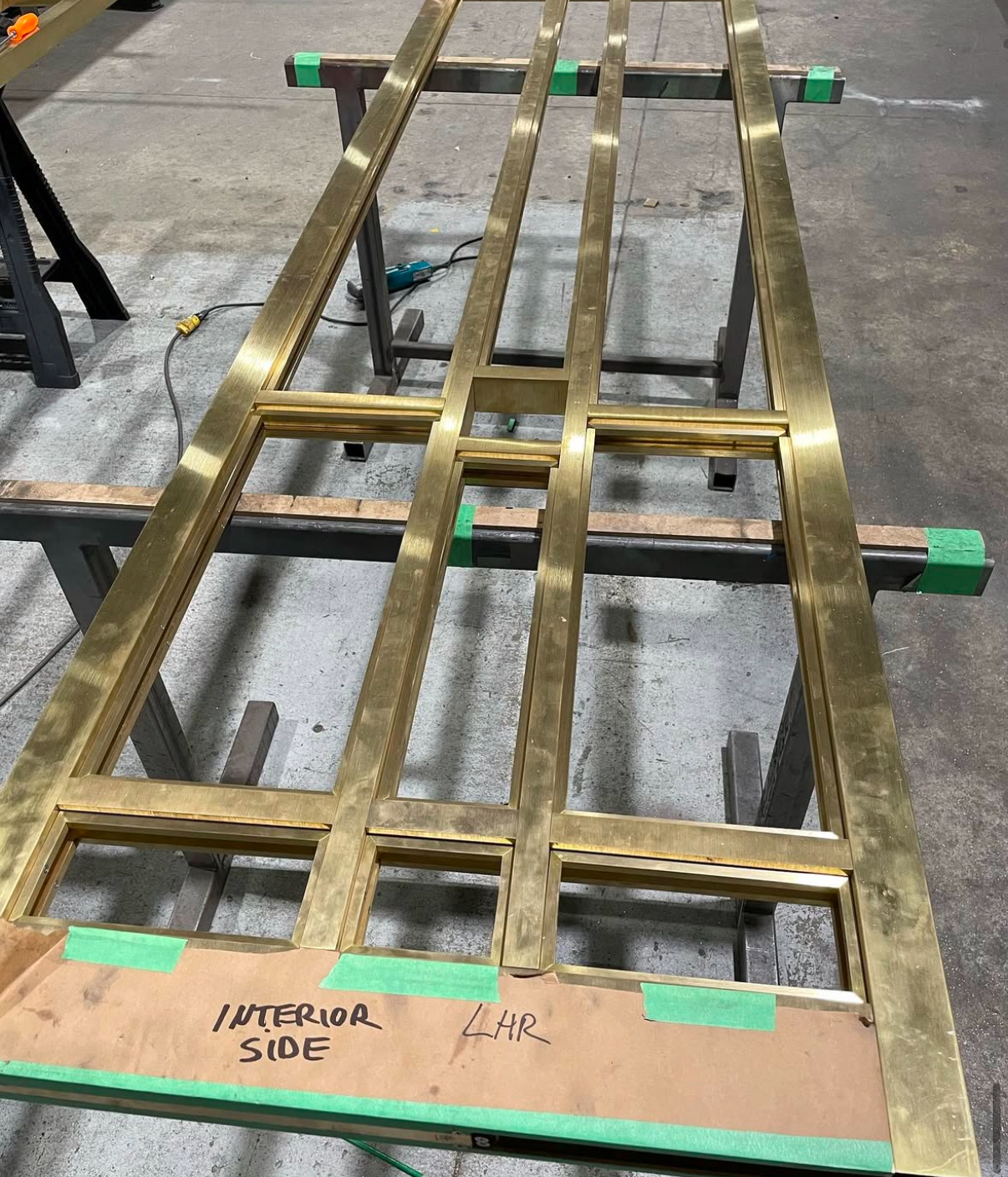
4. Keeping Metal Cabinet Frames Straight and Square
A rectangular metal frame looks simple on paper.
In practice, making a perfectly square frame requires skill and careful planning.
Welding creates heat. As the metal heats and cools, it can move slightly.
This movement may affect the frame’s shape.
Even a small change can create problems with cabinet doors.
For example, a frame that sits slightly out of square may cause uneven gaps. It may also rub against nearby doors or prevent proper closing.
To avoid these issues, fabricators must control the welding process.
They use accurate cutting, proper fixtures, and planned welding sequences to limit movement.
The challenge becomes greater with thin metal frames.
Designers often prefer narrow brass or bronze profiles because they create a clean, modern appearance.
However, thinner profiles leave less room for reinforcement.
The fabricator must find the right balance between appearance and strength.
This is especially important for tall doors and large glass inserts.
5. Adding Glass, Mesh, and Decorative Inserts
Custom metal cabinet doors often include more than metal.
Designers regularly combine brass or bronze frames with glass, decorative mesh, or specialty panels.
These materials create attractive details, but they also add complexity.
Glass Inserts
Metal-framed glass doors work well in luxury kitchens, display cabinets, and wine storage areas.
However, the frame must support the glass safely.
The fabricator needs to know the glass thickness and weight before finalizing the frame.
The design must also provide enough space for glass installation and secure mounting.
In some cases, a very narrow frame may not leave enough room for the required glass supports.
Addressing this issue early helps avoid changes during production.
Decorative Metal Mesh
Decorative mesh adds texture and visual interest to cabinet doors.
Depending on the pattern, it can also allow light and air to pass through.
However, installing mesh requires careful planning.
The fabricator must decide how to secure the material and hide its edges.
Some mesh patterns also need additional support to prevent movement.
The attachment method should keep the mesh secure without affecting the finished appearance.
Other Decorative Inserts
Some projects include textured metal, specialty panels, or other custom materials.
Each material has its own thickness, weight, and mounting requirements.
Therefore, the fabricator must design the frame around the actual insert.
Using approximate dimensions can create problems later.
6. Why Hinge Selection Must Come First
Many projects leave hinge selection until the final design stage.
For custom metal cabinet doors, this approach can lead to expensive changes.
Hinges affect more than the opening and closing movement.
They also influence the frame design, mounting details, and available space.
For example, concealed hinges may need a specific mounting surface.
A narrow brass frame might not provide enough room for a standard hinge.
In other cases, the door may hit a nearby panel when it opens.
The project team should answer several questions before fabrication:
- ✔ How much will the finished door weigh?
- ✔ Which hinge system will support that weight?
- ✔ Where will the hinges attach?
- ✔ Does the metal frame need reinforcement?
- ✔ How far must the door open?
- ✔ Will the door interfere with nearby surfaces?
- ✔ Can installers adjust the hinges after installation?
These questions become especially important for large doors and metal-framed glass cabinets.
A beautiful metal door still needs to function properly.
Choosing the right hardware early helps the team avoid problems during installation.
7. Why Metal Finishing Requires Special Attention
The finish plays a major role in the appearance of custom metal cabinet doors.
Brushed brass, satin bronze, polished stainless steel, and custom patinas can create very different looks.
However, applying a consistent finish to a complete door takes careful work.
A door may include welded corners, narrow profiles, exposed edges, and recessed areas.
Each area needs proper preparation and finishing.
Grain Direction
Brushed and satin finishes create visible lines on the metal surface.
These lines form the grain direction.
When nearby components have different grain directions, the finish may look uneven.
Lighting can make these differences even more noticeable.
Therefore, fabricators must plan the grain direction before cutting and finishing the metal.
Welded Corners
Welding can change the appearance of the surrounding metal.
After welding, the fabricator must grind, blend, and finish the joint.
The goal is to create a smooth transition between the connected pieces.
This process requires particular care with decorative brass and bronze frames.
Custom Patinas
Hand-applied patinas give brass and bronze unique colors and textures.
However, achieving a consistent appearance across several doors can be challenging.
The final color may vary slightly between pieces.
For this reason, designers should approve physical samples before production.
Larger samples or mockups can also help the team understand how the finish will look under actual lighting.
8. Why Metal Fabricators and Millwork Companies Must Work Together
Custom metal cabinet doors usually form part of a larger millwork project.
The millwork company often builds the cabinet boxes and handles installation.
Meanwhile, the metal fabricator manufactures the decorative metal components.
Both teams must coordinate their work.
Without clear communication, even small differences in drawings can create problems.
For example, the millwork contractor may build cabinet openings using one set of dimensions.
The metal fabricator may use another set.
Both companies might follow their drawings correctly, but the final parts may not fit together.
Hardware creates another common challenge.
The millwork contractor may expect the metal fabricator to prepare hinge mounting points.
At the same time, the metal fabricator may assume the millwork company will handle those details.
These misunderstandings can delay installation and increase costs.
How to Avoid Coordination Problems
The teams should confirm several details before production:
- ✔ Final door and cabinet dimensions
- ✔ Required gaps between doors
- ✔ Metal thickness and construction
- ✔ Hinge locations and mounting details
- ✔ Glass or mesh specifications
- ✔ Finish requirements
- ✔ Installation responsibilities
For complex projects, a prototype can help identify problems early.
A sample door allows the team to test the hinges, check the fit, and review the finish.
This extra step can save time and money during final installation.
9. Most Expensive Mistakes Start Before Production
Many problems with custom metal cabinet doors begin long before the fabricator starts cutting metal.
Incomplete drawings, missing hardware details, and late design changes can affect the entire project.
For example, a designer may approve a bronze frame without confirming the hinge system.
A millwork contractor may finalize cabinet dimensions before considering the metal thickness.
Or a fabricator may receive drawings that show glass inserts without the final glass specifications.
These details may seem minor at first.
However, they can create serious problems once production begins.
Changing a finished metal door often requires additional welding, grinding, or refinishing.
Sometimes, the fabricator must make a completely new part.
Early planning helps avoid these costs.
The best approach involves bringing the metal fabricator into the project before the team finalizes every detail.
This allows everyone to review the design and identify possible challenges.
10. What to Include When Requesting a Quote
Clear project information helps fabricators provide accurate pricing.
When requesting a quote for custom metal cabinet doors, try to include the following details:
- ✔ Architectural drawings or millwork shop drawings
- ✔ Door sizes and quantities
- ✔ Preferred metal type
- ✔ Required finish
- ✔ Construction method, if known
- ✔ Glass or mesh details
- ✔ Hinge specifications
- ✔ Cabinet mounting conditions
- ✔ Project location
- ✔ Expected delivery date
You do not need to finalize every detail before requesting a preliminary quote.
However, accurate information helps the fabricator understand the project and recommend suitable solutions.
It also reduces the risk of unexpected costs later.
Conclusion: Good Design Requires Good Fabrication
Custom metal cabinet doors combine design, engineering, and skilled craftsmanship.
A simple bronze frame or brushed brass door may look effortless in a finished interior.
However, achieving that appearance requires careful planning.
The fabricator must consider weight, frame strength, precise measurements, hardware, finishing, and installation.
Ignoring these details can lead to poor alignment, difficult installation, and expensive changes.
Early coordination helps architects, designers, and millwork contractors achieve better results.
At MNR Custom Metal, we specialize in custom architectural metal fabrication for luxury residential, hospitality, and commercial projects across Canada and the United States.
Our team works with brass, bronze, stainless steel, and other architectural metals to create custom components for high-end interiors.
We manufacture custom metal cabinet doors, decorative frames, metal inserts, and other architectural metal features.
We also work with millwork companies and project teams to help ensure our metal components fit the overall design.
Planning a Custom Metal Cabinet Door Project?
Whether you need custom brass cabinet doors, bronze cabinet frames, or metal-framed glass doors, our team can help bring your design to life.
Send us your drawings and project details to request a quote.
MNR Custom Metal — Custom Architectural Metal Fabrication.
See more
- How Light Interacts with Architectural Metal Finishes
- The Rise of Bronze in Modern Interiors: Why This Classic Metal Is Back
- Brass vs. Bronze: Choosing the Right Metal for Elegant Interior Details
- How a Custom Metal Feature Becomes the Signature Element of a Space
- Why Architects and Designers Choose Custom Metal for Signature Projects
- Custom Metal for Luxury Condominiums: Where It Creates the Biggest Impact