Custom Metal Range Hoods: What Interior Designers Need to Know Before Ordering
Custom metal range hoods are often one of the most distinctive architectural features in luxury residential kitchens. Beyond their practical purpose, they can define the character of the space, complement custom cabinetry, and create a strong visual focal point.
Bespoke metal fabrication offers interior designers and architects a level of creative freedom that standard appliances cannot match. From brushed brass and aged bronze to polished stainless steel, the possibilities extend far beyond conventional kitchen design.
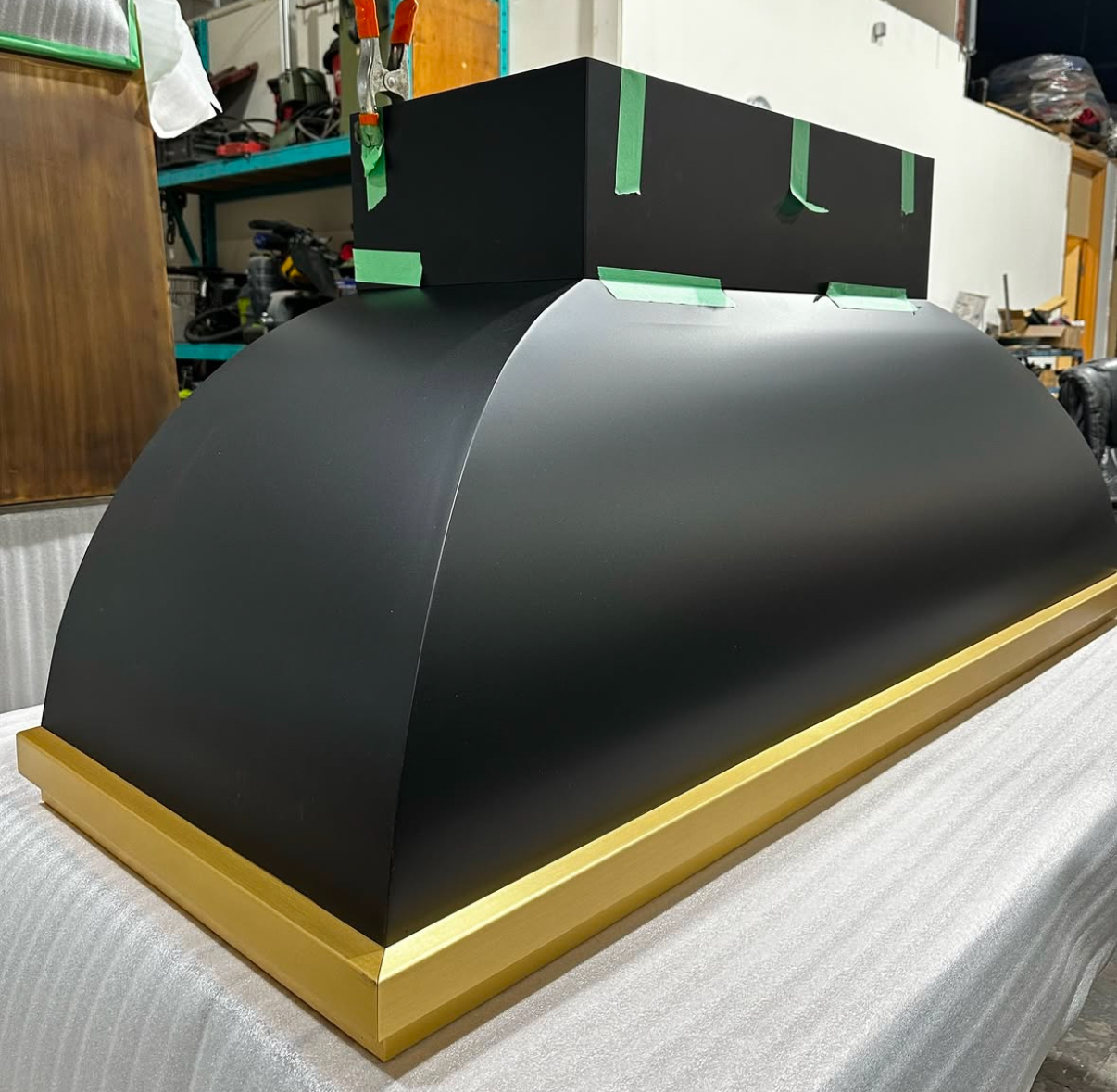
However, creating a successful custom range hood requires more than selecting a shape and finish. Designers must also consider construction methods, ventilation equipment, installation requirements, and long-term maintenance.
Understanding these elements early in the design process helps prevent costly changes and ensures a seamless final result.
1. Understanding Custom Metal Range Hood Construction
A custom metal range hood typically consists of two main components: the decorative enclosure and the functional ventilation system.
The decorative enclosure creates the exterior appearance, while the ventilation insert handles airflow, lighting, filtration, and the removal of cooking fumes.
Depending on the design, metal fabricators can use several construction methods:
- ✔ Formed sheet metal construction
- ✔ Metal cladding over an engineered substrate
- ✔ Welded metal assemblies
- ✔ Decorative metal panels and trim
- ✔ Multi-piece assemblies with concealed connections
Each method offers different advantages in terms of weight, structural stability, cost, and design flexibility.
For example, a large architectural bronze range hood may require an internal support structure to maintain its shape and provide secure mounting points. In contrast, a minimalist stainless steel enclosure may benefit from folded metal construction with fewer visible joints.
The fabrication method should support the design intent rather than limit it.
2. Integrating Ventilation Equipment into Custom Range Hoods
One of the most common challenges in custom range hood fabrication involves coordinating the decorative enclosure with the ventilation equipment.
Ideally, the project team should select the ventilation insert before finalizing the hood design.
The metal fabricator needs several critical details:
- ✔ Manufacturer and model of the ventilation insert
- ✔ Exact equipment dimensions
- ✔ Required mounting clearances
- ✔ Duct connection location
- ✔ Electrical connection requirements
- ✔ Airflow capacity
- ✔ Equipment weight and mounting specifications
Without this information, even a carefully designed enclosure may require significant modifications during installation.
Additionally, the exterior dimensions of the range hood do not necessarily determine its ventilation performance. The selected equipment, ductwork configuration, and installation conditions all influence how effectively the system operates.
For a more detailed overview of ventilation requirements, sizing, and design options, Houzz provides an excellent resource in its article How to Get Your Range Hood Right.
Early coordination between the interior designer, appliance supplier, mechanical contractor, and metal fabricator helps ensure that the decorative and functional components work together.
3. Choosing the Right Metal and Finish
Material selection plays a major role in both the appearance and long-term performance of custom metal range hoods.
Different metals offer unique visual characteristics, fabrication possibilities, and maintenance requirements.
Custom Brass Range Hoods
Brass brings warmth, sophistication, and richness to luxury kitchen interiors. It pairs particularly well with natural stone, walnut cabinetry, marble, and neutral colour palettes.
Popular brass finishes include:
- ✔ Brushed brass
- ✔ Satin brass
- ✔ Polished brass
- ✔ Antique brass
- ✔ Aged brass
- ✔ Darkened brass
Designers should also consider whether the project requires a protective coating or a living finish that develops a natural patina over time.
Unlacquered brass gradually changes its appearance through exposure to air, moisture, and everyday use. While many homeowners appreciate this natural evolution, others prefer the more consistent appearance of a protected finish.
Custom Bronze Range Hoods
Bronze range hoods offer a deeper and often more understated appearance. Their rich tones work especially well in sophisticated contemporary and transitional interiors.
Depending on the selected material and finishing process, designers can achieve anything from warm brown tones to dramatic, nearly black surfaces.
Bronze also provides an excellent opportunity to coordinate the range hood with other architectural metal elements throughout the property.
Stainless Steel Range Hoods
Stainless steel remains a practical and versatile choice for residential kitchens.
Its corrosion resistance, durability, and relatively straightforward maintenance make it particularly attractive for frequently used cooking spaces.
Custom fabrication also allows designers to move beyond the standard commercial appearance of stainless steel through specialized finishes, decorative detailing, and architectural forms.
Regardless of the selected metal, the project team should approve actual finish samples before fabrication begins.
Lighting conditions, surrounding materials, and viewing angles can significantly influence how a metal finish appears in the completed interior.
4. Planning Structural Support and Installation
Custom metal range hoods can vary significantly in size and weight.
A large enclosure with decorative mouldings, multiple layers of metal, or an internal steel structure may require additional support beyond what standard kitchen cabinetry provides.
Therefore, designers and contractors should address mounting requirements early in the project.
Important considerations include:
- ✔ Wall and ceiling construction
- ✔ Structural blocking and reinforcement
- ✔ Hood enclosure weight
- ✔ Ventilation equipment support
- ✔ Installation sequence
- ✔ Required equipment clearances
- ✔ Accessibility during installation
- ✔ Connections to surrounding cabinetry
Island-mounted range hoods require particular attention because the ceiling structure must support the assembly while accommodating ventilation and electrical connections.
Furthermore, the installation team must follow the appliance manufacturer’s requirements and applicable building, mechanical, and fire safety codes.
The decorative metal enclosure should never compromise the safe operation of the ventilation equipment.
5. Designing for Maintenance and Service Accessibility
A beautiful range hood must remain functional throughout its service life.
Unfortunately, some designs prioritize appearance without considering how homeowners or service technicians will access internal components.
Filters, lighting, electrical connections, and ventilation equipment may eventually require cleaning, repair, or replacement.
For this reason, custom metal fabricators should consider service accessibility during the design development phase.
Depending on the project, solutions may include:
- ✔ Removable decorative panels
- ✔ Concealed mechanical fasteners
- ✔ Detachable lower sections
- ✔ Accessible ventilation insert mounting points
- ✔ Discreet service openings
These features allow technicians to perform maintenance without unnecessarily damaging the surrounding cabinetry or decorative metal surfaces.
A well-designed enclosure should balance visual simplicity with practical accessibility.
6. Exploring Custom Design Possibilities
One of the greatest advantages of custom metal range hoods is the ability to create a truly individual architectural feature.
Unlike mass-produced products, custom fabrication allows designers to develop a hood specifically around the proportions, materials, and architectural language of the kitchen.
Design possibilities include:
- ✔ Tapered and curved metal enclosures
- ✔ Minimalist rectangular forms
- ✔ Decorative metal banding
- ✔ Integrated architectural mouldings
- ✔ Contrasting metal finishes
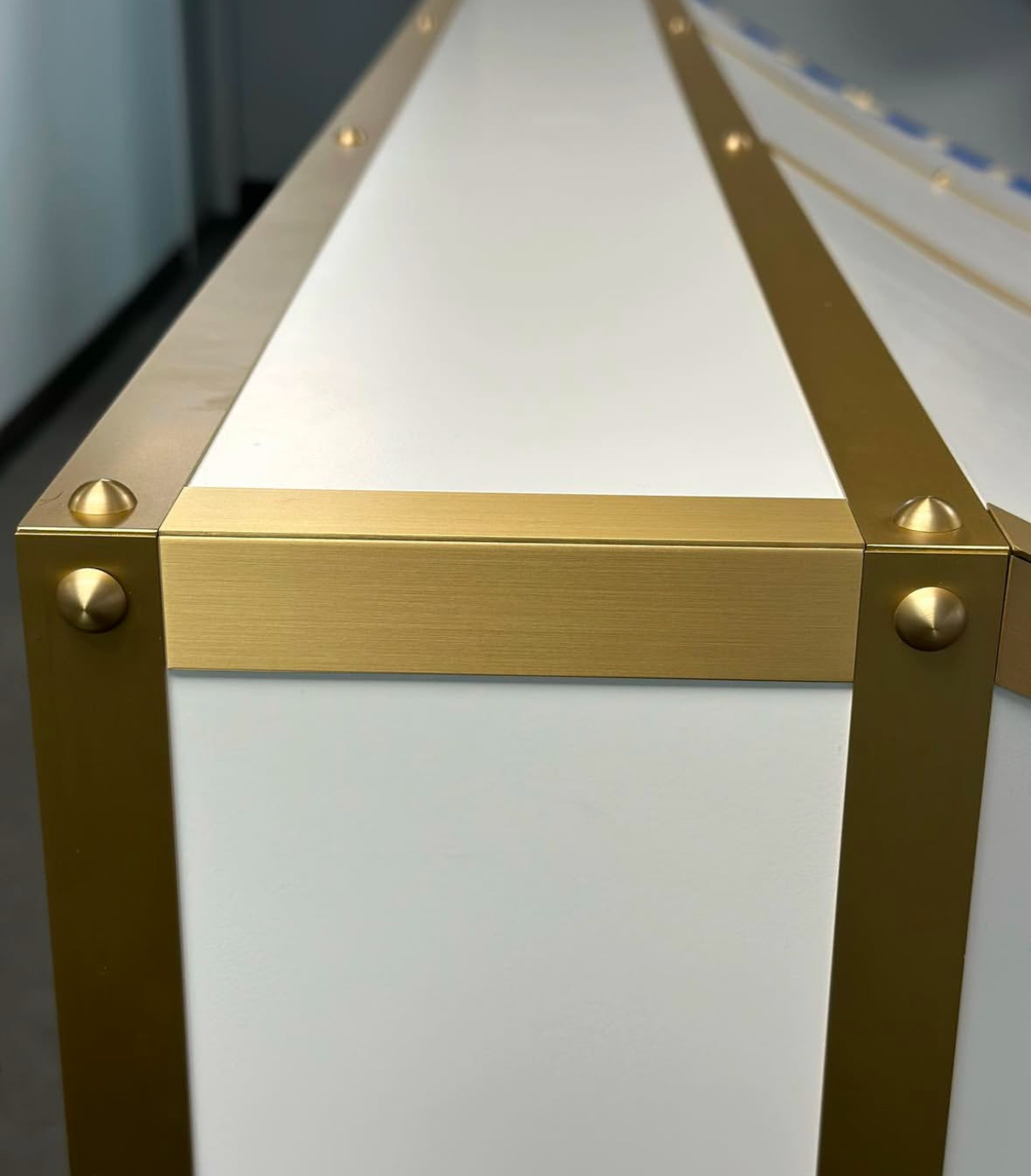
- ✔ Decorative rivets and exposed hardware
- ✔ Geometric panel arrangements
- ✔ Seamless transitions into surrounding cabinetry
- ✔ Oversized island-mounted statement pieces
Moreover, designers can coordinate a custom range hood with other architectural metalwork throughout the residence.
Brass cabinet doors, bronze shelving, metal countertops, decorative screens, and custom metal hardware can all contribute to a consistent material palette.
This approach transforms the range hood from an isolated kitchen feature into part of a cohesive architectural design.
7. Coordinating Custom Range Hoods with Millwork Companies
Luxury kitchen projects often involve close collaboration between metal fabricators and custom millwork companies.
Precise coordination becomes especially important when the range hood sits between cabinets, connects to decorative wall panels, or integrates with surrounding architectural elements.
Even small dimensional differences can create visible alignment issues in high-end interiors.
Before fabrication begins, both teams should review:
- ✔ Final architectural elevations
- ✔ Cabinetry dimensions
- ✔ Metal-to-wood connection details
- ✔ Required installation tolerances
- ✔ Finished wall conditions
- ✔ Joint and reveal dimensions
- ✔ Installation responsibilities
Detailed shop drawings provide an opportunity to resolve these issues before production begins.
As a result, the project team can reduce unnecessary site modifications, protect decorative finishes, and achieve a more refined final installation.
8. What Information Should Designers Provide Before Requesting a Quote?
Providing complete project information helps custom metal fabricators develop accurate quotations and identify potential technical challenges.
When requesting a quotation for a custom metal range hood, designers should ideally provide:
- ✔ Architectural drawings or design renderings
- ✔ Overall width, height, and depth
- ✔ Preferred metal and finish
- ✔ Ventilation insert specifications
- ✔ Decorative detailing requirements
- ✔ Mounting and surrounding cabinetry details
- ✔ Project location
- ✔ Expected delivery timeline
The more information the fabricator receives during the initial stages, the better they can evaluate construction methods, material requirements, and installation considerations.
Early collaboration also creates opportunities to improve the design without compromising its original architectural intent.
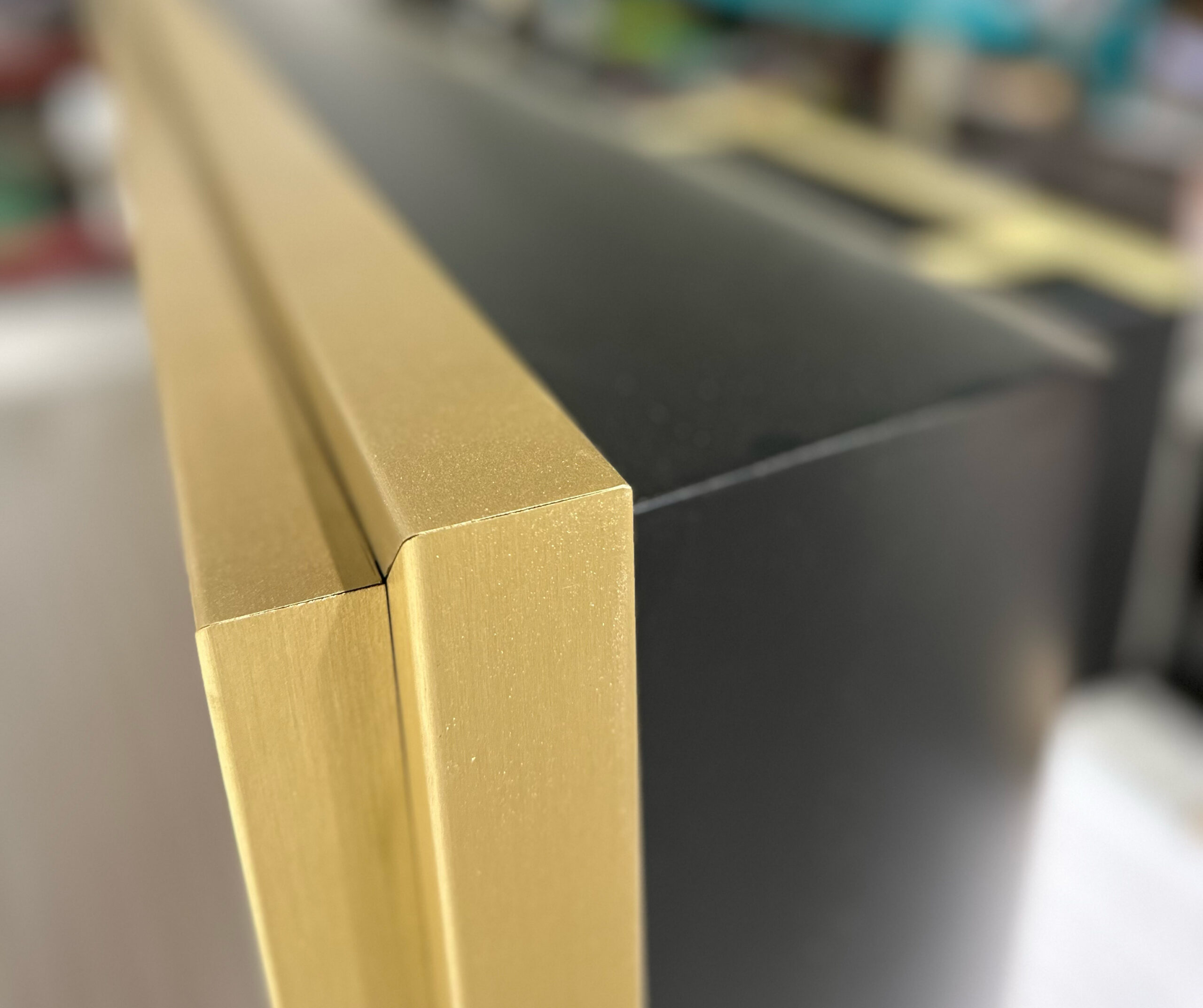
Custom Metal Range Hoods by MNR Custom Metal
At MNR Custom Metal, we specialize in bespoke architectural metal fabrication for high-end residential and commercial interiors.
We work with interior designers, architects, general contractors, and custom millwork companies to translate unique design concepts into precision-crafted architectural metal products.
From minimalist stainless steel enclosures to sophisticated custom brass range hoods and decorative bronze range hoods, every project requires an individual approach to material selection, fabrication, finishing, and technical coordination.
We support projects across Canada and the United States, helping design professionals bring distinctive architectural concepts to life.
Whether you are developing a luxury residential kitchen in Toronto, New York, Miami, Palm Beach, or elsewhere in North America, early collaboration with an experienced custom metal fabricator can make a significant difference in the final result.
Contact MNR Custom Metal to discuss your next custom metal range hood project and discover how precision fabrication can bring your design vision to life.
See more
- Why Bronze Is Becoming the Most Requested Finish in Luxury Interiors
- When Should Architectural Metal Fabrication Actually Start?
- Choosing the Perfect Finish for Your Custom Metal Project: A Guide for Designers and Millwork Experts
- Maximize Space and Style with Metal Fabrication: The Ultimate Guide to Kitchen Metal Shelving Units for Residential Projects
- Why Architects and Designers Choose Custom Metal for Signature Projects
- From Kitchens to Wine Rooms: How Metal Frames and Glass Partitions Define Modern Space Planning