Why Custom Metal Fabrication Timelines Get Delayed (And How to Prevent It)
When clients ask us how long a custom metal fabrication project will take, the honest answer is: it depends.
The fabrication itself is often only one part of the overall timeline. In many cases, delays happen long before the first piece of metal is cut. Fortunately, most of these delays are preventable with proper planning and communication.
In this guide, we’ll explain the most common reasons projects fall behind schedule and how you can help keep your project moving efficiently.
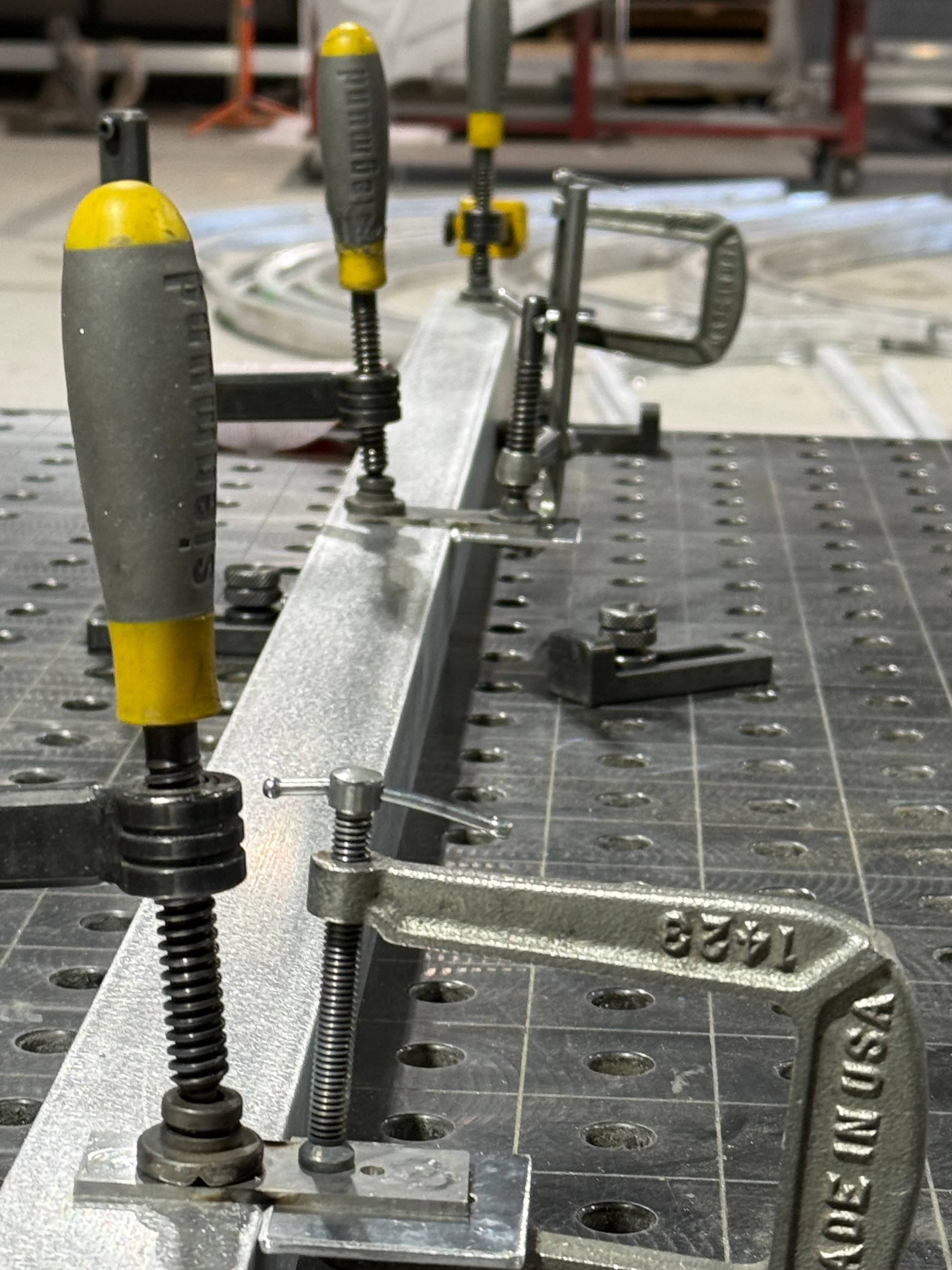
1. Incomplete Drawings Slow Down the Entire Custom Metal Fabrication Timeline
One of the biggest causes of project delays is incomplete or unclear drawings.
Missing dimensions, undefined materials, or unclear connection details force fabricators to stop and request clarification before production can begin. Even small uncertainties can affect the accuracy of the finished product.
The more complete your drawings are, the faster your fabrication partner can move from estimating to production.
Helpful information to include:
- ✔ Overall dimensions
- ✔ Material specifications
- ✔ Finish requirements
- ✔ Glass thickness (if applicable)
- ✔ Hardware selection
- ✔ Installation details
- ✔ Tolerance requirements
A well-prepared drawing package can save days—or even weeks—during fabrication. Good construction documentation reduces misunderstandings between architects, contractors, and fabricators throughout the project. Matterport has a helpful guide on construction documentation best practices that explains why accurate documentation is critical for keeping projects on schedule.
2. Material Availability Can Affect Your Fabrication Schedule
Not every metal is immediately available.
Depending on market conditions, certain materials may require additional lead time, especially:
- ✔ Brass
- ✔ Bronze
- ✔ Specialty stainless steel
- ✔ Custom aluminum profiles
- ✔ Imported materials
While common steel and aluminum are usually available quickly, specialty materials sometimes require several weeks before they arrive at the fabrication shop.
Planning material selections early helps avoid unnecessary delays.
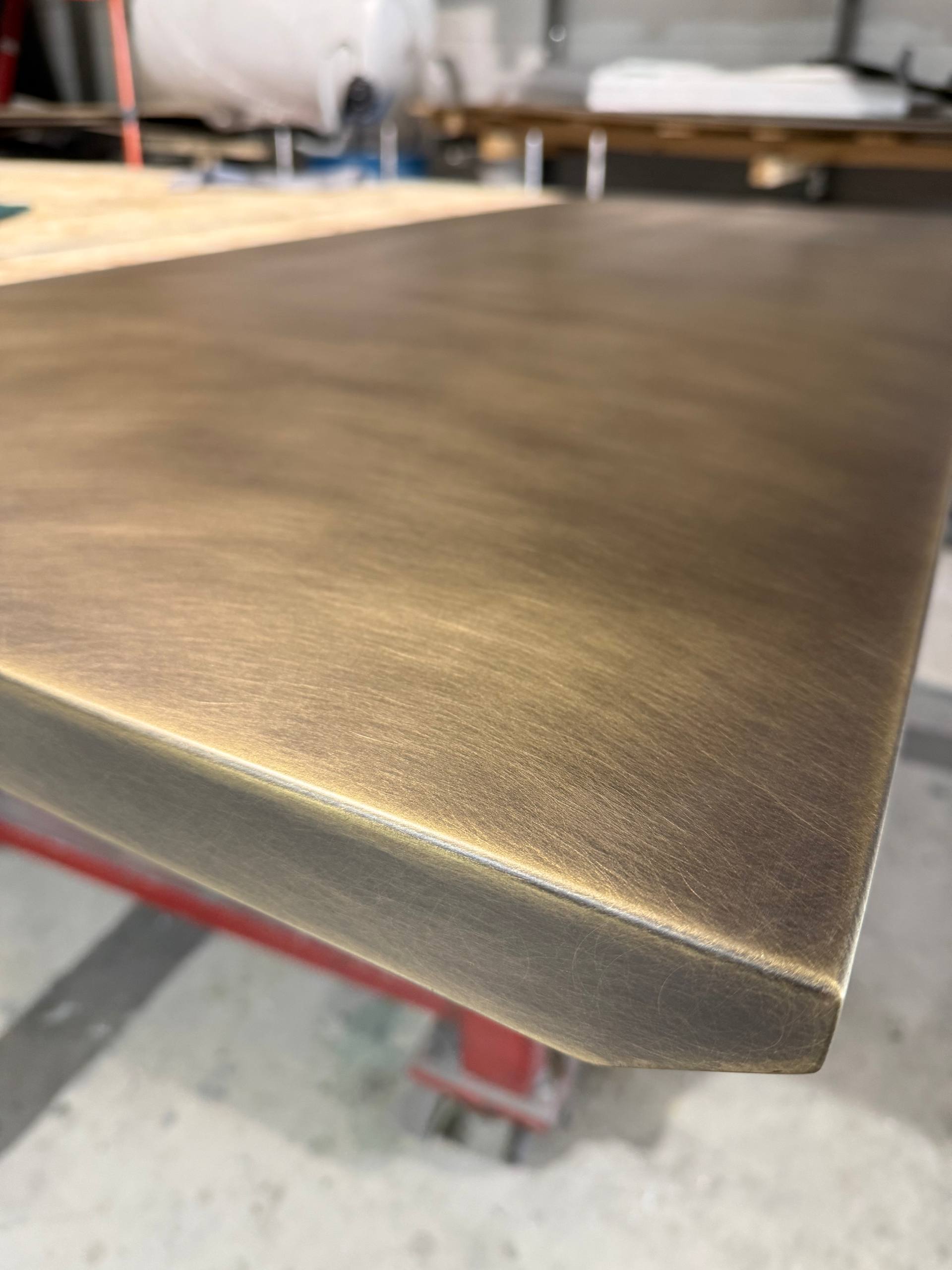
3. Powder Coating and Specialty Finishes Often Take Longer
Many clients assume fabrication is the longest part of the project. In reality, finishing can sometimes take just as long.
Common finishing options include:
- ✔ Powder coating
- ✔ Brushed stainless
- ✔ Blackened steel
- ✔ Clear coating
- ✔ Custom paint colors
- ✔ Antique brass finishes
Some custom powder coat colors require special ordering, while specialty finishes may involve multiple preparation and curing stages.
If your project has a strict deadline, selecting standard finishes can often reduce lead time.
4. Design Changes During Production Extend the Timeline
Every project evolves, but design revisions after fabrication begins are one of the most common causes of delays.
Typical changes include:
- ✔ New dimensions
- ✔ Different hardware
- ✔ Additional panels
- ✔ Modified layouts
- ✔ New finish selections
Even small revisions may require new shop drawings, additional materials, or partial re-fabrication.
Whenever possible, finalize the design before production starts.
5. Shop Drawing Approvals Keep Production Moving
Before fabrication begins, fabricators typically prepare detailed shop drawings showing exactly how every component will be manufactured.
Production usually cannot begin until these drawings receive approval.
Delays often happen when:
- ✔ Multiple reviewers are involved.
- ✔ Revision requests come one at a time.
- ✔ Approval takes several days or weeks.
Reviewing shop drawings promptly is one of the easiest ways to keep your project on schedule.
6. Installation Scheduling Requires Coordination
Fabrication may be complete, but installation still depends on several factors.
Your installer may need to coordinate with:
- ✔ General contractors
- ✔ Millwork installers
- ✔ Electricians
- ✔ Glass installers
- ✔ Painters
- ✔ Site management
If the job site isn’t ready, completed products may need to remain in storage until installation can begin.
Early coordination between all trades helps avoid costly delays.
How to Keep Your Custom Metal Fabrication Timeline on Track
Although every project is different, these simple steps can significantly improve scheduling:
- ✔ Complete drawings before requesting fabrication.
- ✔ Confirm material and finish selections early.
- ✔ Approve shop drawings promptly.
- ✔ Limit design revisions after production begins.
- ✔ Coordinate installation dates with all trades.
- ✔ Work with an experienced fabrication partner who communicates throughout the project.
Following these practices helps reduce unexpected delays and keeps projects moving smoothly.
Why Communication Matters
At MNR Custom Metal, we believe communication is just as important as craftsmanship.
From the initial quote to final installation, we keep clients informed throughout every stage of the fabrication process. Clear communication helps identify potential issues early, reducing costly surprises and helping projects stay on schedule.
As the experts at the American Institute of Architects often emphasize, successful construction projects rely on early collaboration and clear coordination among all project stakeholders.
Whether you’re building custom cabinet doors, architectural partitions, decorative metal features, or large commercial installations, proper planning makes all the difference.
A successful custom metal project isn’t just about quality craftsmanship—it’s also about careful planning and efficient communication.
Most project delays don’t happen because of fabrication itself. Instead, they’re caused by incomplete information, material lead times, design revisions, or scheduling challenges.
By understanding these factors and addressing them early, you’ll help ensure your custom metal fabrication project stays on schedule and delivers the results you expect.
See more
- How Custom Metalwork Can Reduce Long-Term Maintenance in Commercial Spaces
- Why Shop Drawings Matter More Than Most Designers Think
- Custom Metal + Millwork: How to Get Perfect Reveals, Joints and Transitions
- The Fusion of Functionality and Art: Custom Metal Fixtures in Modern Office Spaces
- The Role of Tolerances in Metal Fabrication: What Every Designer Should Know
- Bronze, Brass and Stainless Steel: Which Material Fits Your Project Best?